


Why Choose Biogrowth Organics for Your Gardening Needs?


Science-Backed Nutrients for Your Greenest Garden Yet
Lab tested formulas that fuel growth, enhance soil and deliver unmatched results naturally


Vivid Liquid Organic Plant Vitamin for Flowers & Lawns


Catalyst Liquid Organic Plant Vitamin for Veggies & Fruits


Thrive Liquid Organic Plant Vitamin for Cannabis
Why BioGrowth?
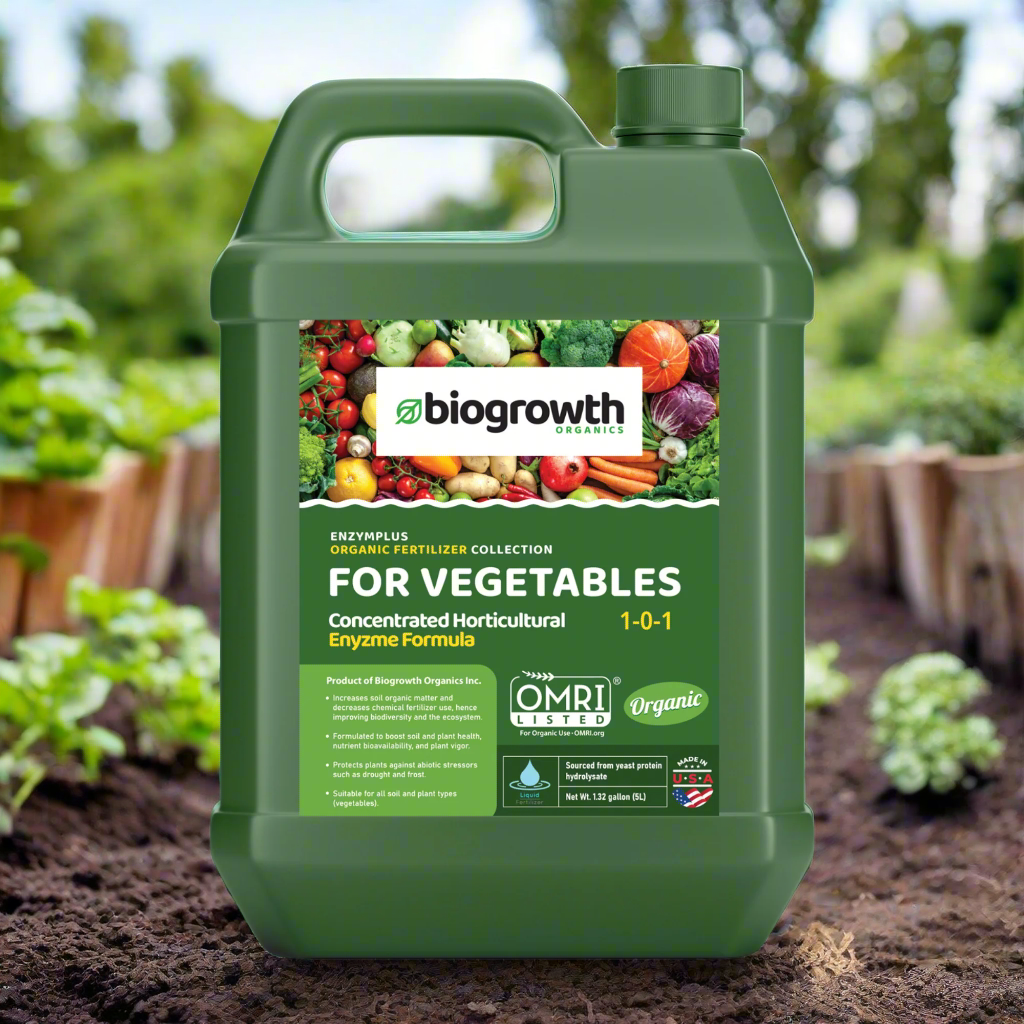
Revolutionizes plant care with cutting edge enzyme technology and microbial solutions that enrich soil, strengthen plants, and promote long-term sustainability. Whether you're an experienced farmer or a first-time gardener, BioGrowth simplifies the growing process of eliminating guesswork and reducing reliance on synthetic fertilizers and pesticides.
100% Organic & Eco-Friendly
100% Organic & Eco-Friendly
Made from natural, sustainable ingredients, BioGrowth nurtures plants while protecting the environment. It enhances biodiversity and soil fertility without harmful chemicals.
Science-Backed, No Guesswork Required
Science-Backed, No Guesswork Required
Powered by advanced enzyme technology and microbial blends, BioGrowth supercharges soil health and plant resilience. Yet, it’s designed for ease: no PhD required. Replace fertilizers, pesticides and boosters with one foolproof solution.
One Stop Solution, Every Gardener's Goal
One Stop Solution, Every Gardener's Goal
Forget juggling with multiple products. BioGrowth is a one-stop solution that supports plants at every stage making plant care simple, effective and accessible for growers of all levels.
Why We Stand Out ?
Why We Stand Out ?
“Empower Your Green Thumb, From Hobbyist to Pro." BioGrowth democratizes professional grade agricultural technology, making advanced gardening practices accessible to non professionals while enhancing efficacy and sustainability for seasoned growers.
Easy to Use. Minimal Effort, Maximum Growth.
Effortlessly enhances plant health with BioGrowth’s nutrient rich, easy to use formula. Our organic blend enriches the soil, fortifies roots, and supports sustainable growth, simplifying gardening while keeping it greener!
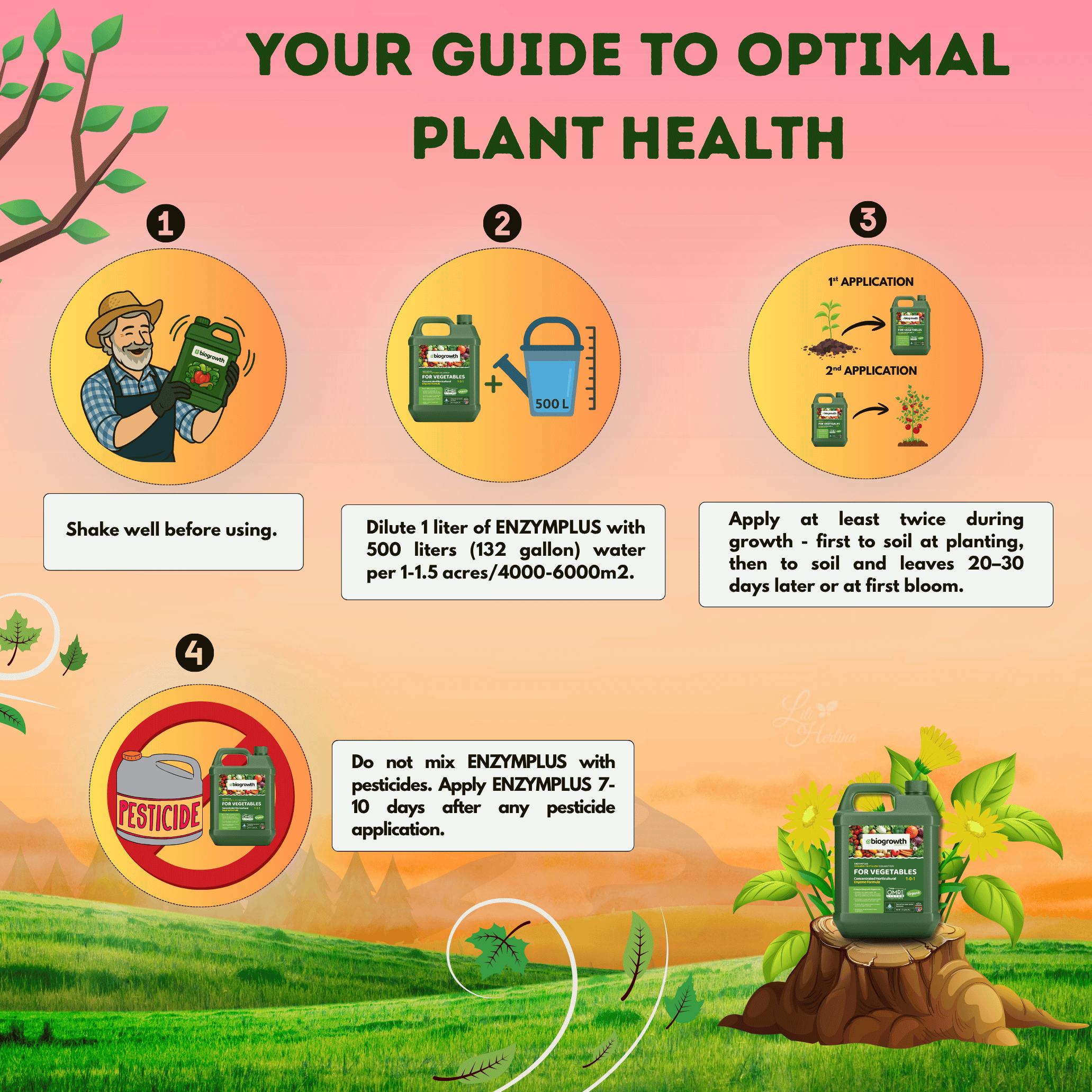
Shake Well
Shake the product well to ensure the ingredients are thoroughly mixed.
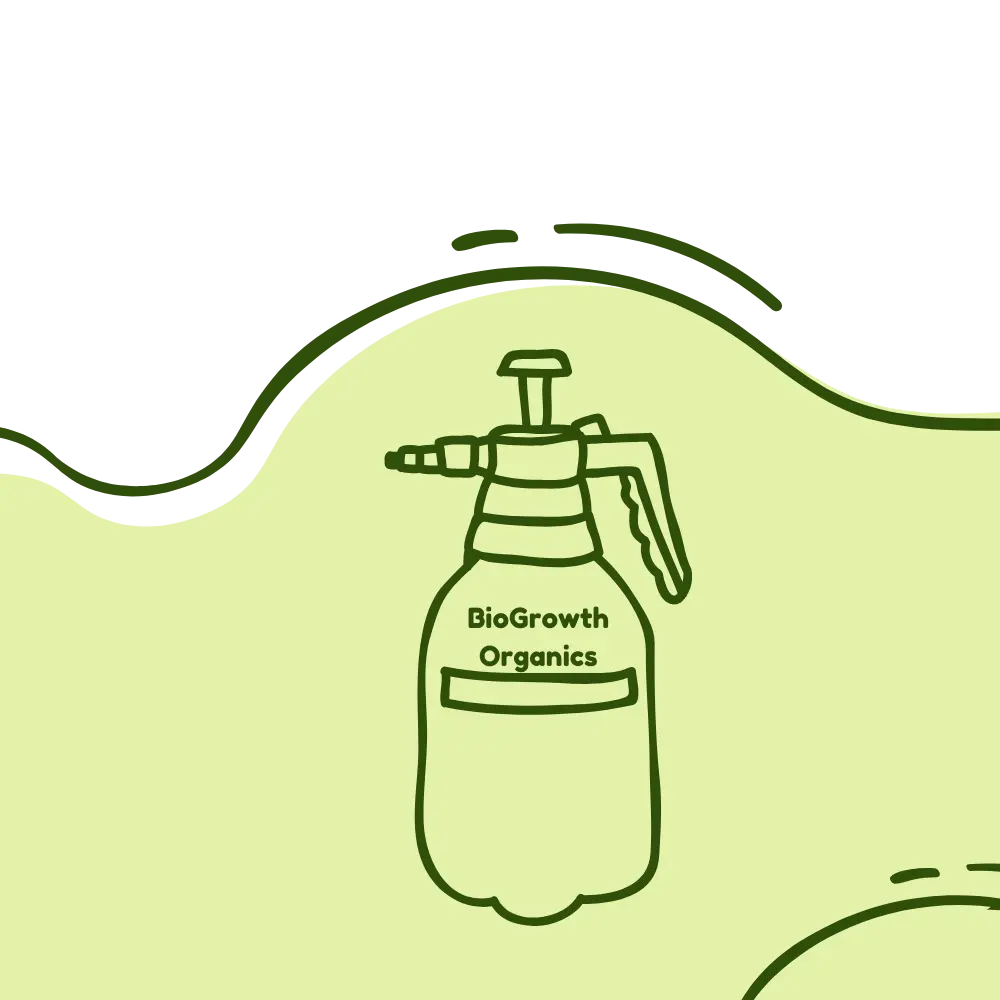
Mix with Water
Mix the suggested amount of fertilizer with water
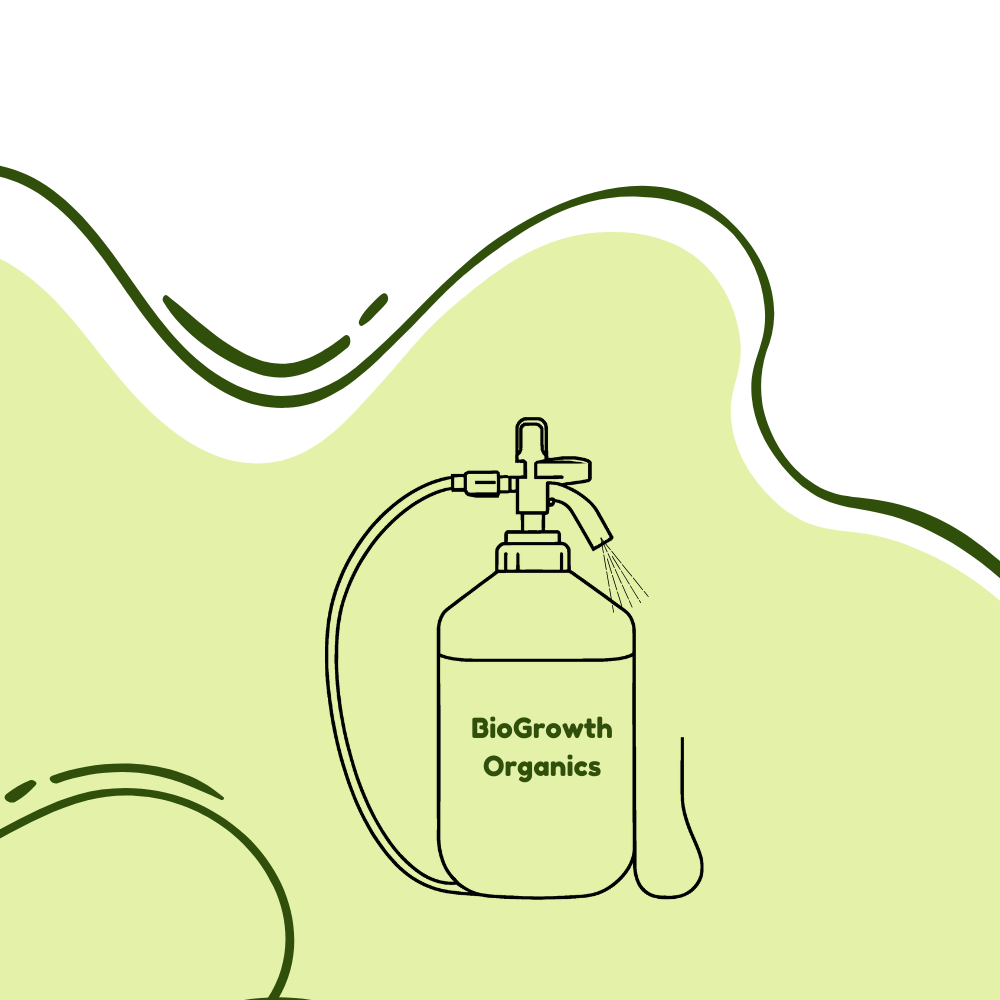
Spray and Nourish
Spray it on to soil every 10 - 14 days
Proof in Every Leaf: BioGrowth’s Impact in Action


Cultivating a Greener Future
Driven by a passion for sustainability and innovation, BioGrowth was founded by environmentalists and scientists dedicated to creating eco-friendly solutions for healthier plants and soils.
Hear From Happy Growers
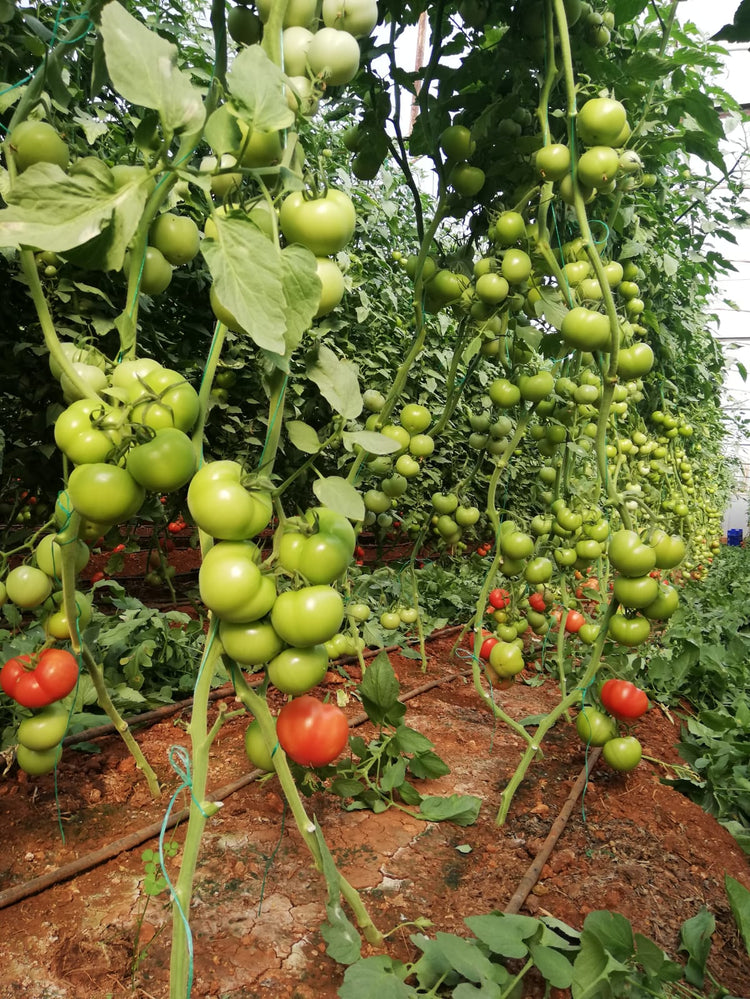
Sara
"I’ve been using Biogrowth products on my vegetable garden for two seasons now. Healthier soil, stronger plants, and no harsh chemicals. It’s made a huge difference!"
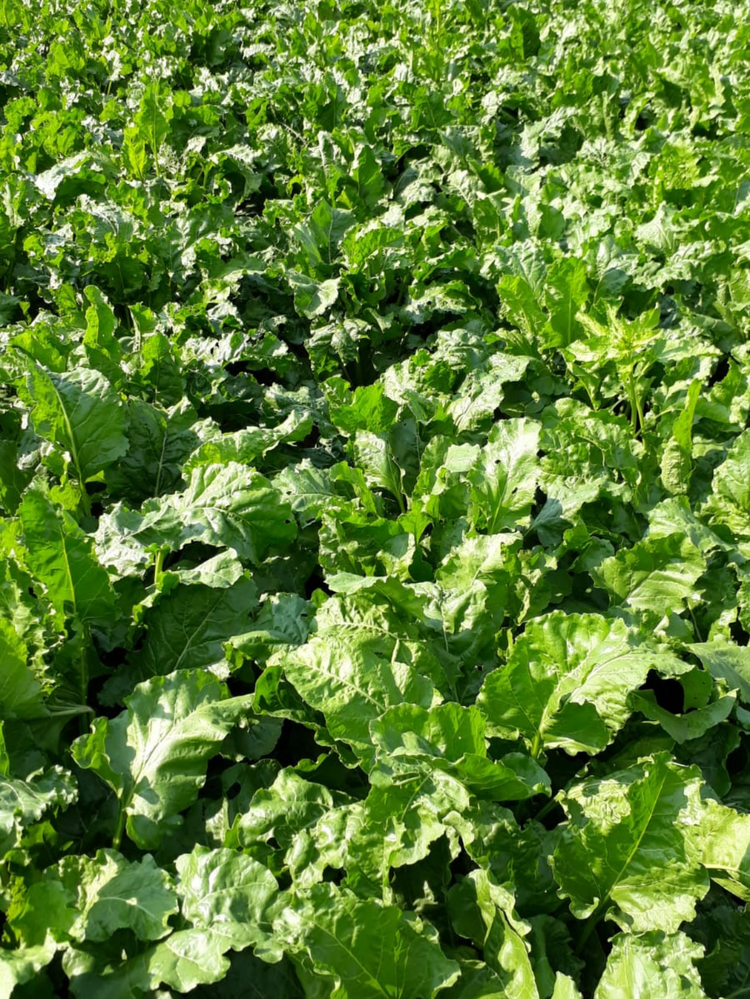
Jamal
"I was skeptical at first, but after switching to Biogrowth, my harvest was noticeably bigger and healthier."
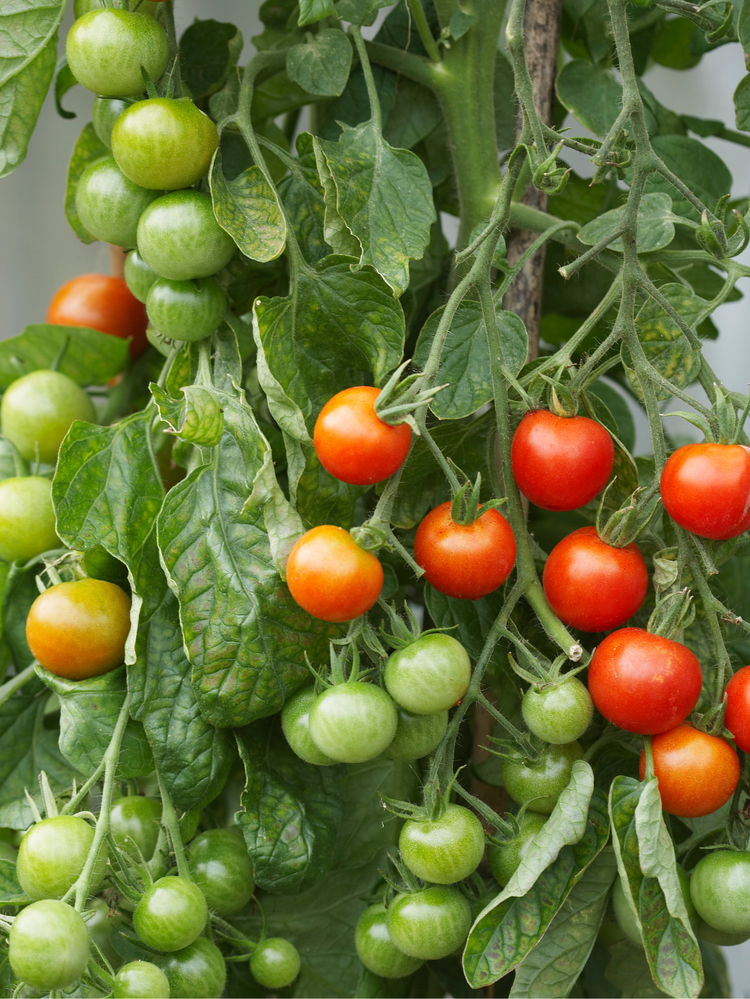
Miguel
"Easy to apply, eco-friendly, and you can actually see the results. My tomatoes have never looked this good - and I feel good knowing it’s all organic."
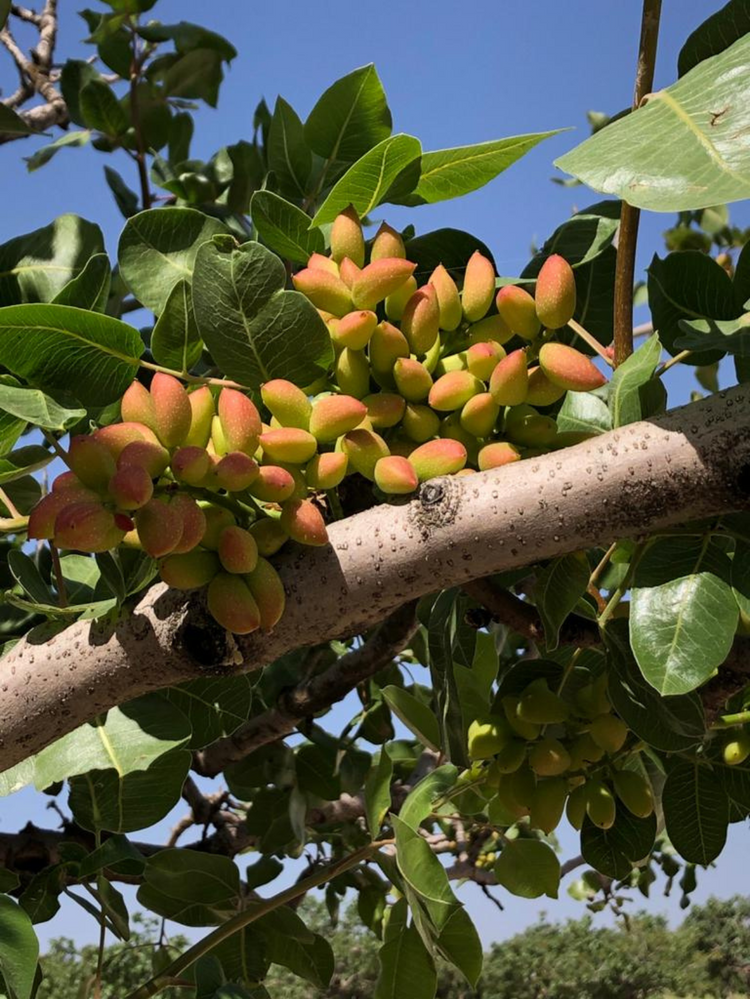
Rachel
"Finally found a product that improves the soil and supports healthy growth without all the synthetic junk. Love that it’s safe for my kids and pets too."
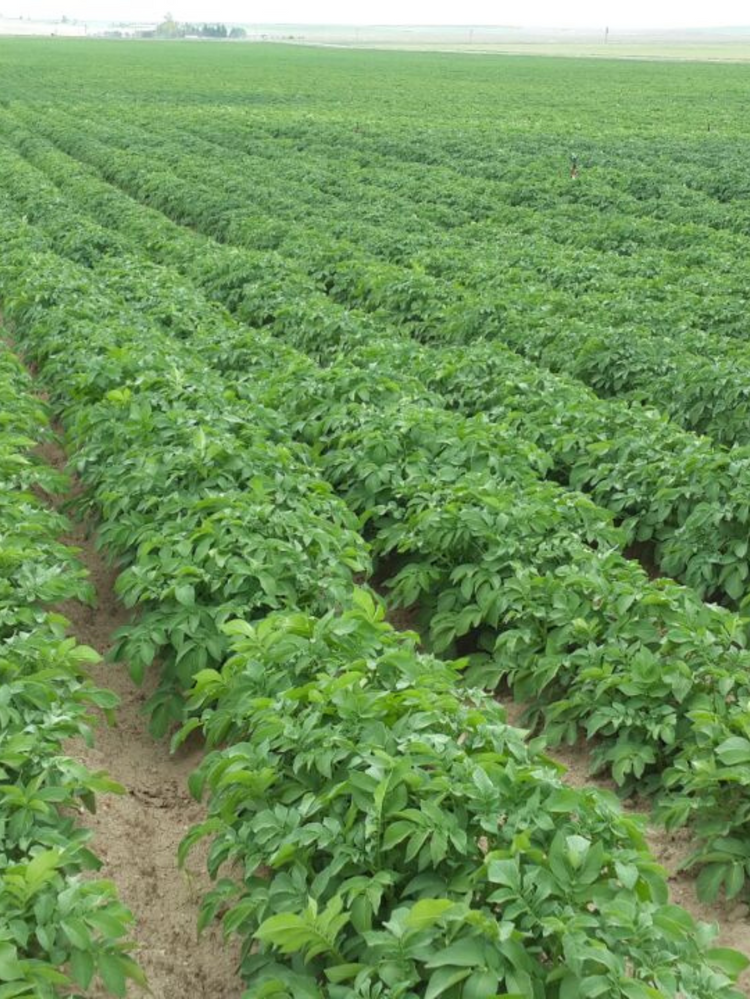
Marcus
"No more mixing six different bottles. This one does it all. My garden’s never been happier, and neither has my schedule."
🌍The BioGrowth Difference: "A Healthier Garden, A Greener Planet"

The Science Behind Hydroponics: How Plants Thrive Without Soil
If you’ve ever seen crisp emerald lettuce floating in a sleek water tank or vibrant basil thriving on a kitchen windowsill without a speck of dirt in sight, you’ve witnessed a biological marvel. Welcome to the world of hydroponics, where plants grow without soil and often, far more efficiently than they do in traditional gardens. But how do plants survive, let alone thrive, without the one thing we’ve always associated with gardening? The answer lies in precision science. What exactly is Hydroponics? At its core, hydroponics is the method of growing plants using water, oxygen, and a mineral-rich nutrient solution. The word stems from the Greek words hydro (water) and ponos (work) literally "working water." In this system, we remove the "middleman" (soil) and deliver essential elements directly to the root zone. While soil acts as a reservoir for nutrients, it can also be a source of pests, diseases, and inconsistent pH levels. Hydroponics eliminates these variables to create a "perfect" growing environment. The Biology of Nutrient Absorption: Soil vs. Water To understand why hydroponic plants grow up to 50% faster, we have to look at how they "eat." In Traditional Soil: Plants must expend massive amounts of metabolic energy growing long, complex root systems to "hunt" for pockets of moisture and minerals. In Hydroponics: Nutrients are already dissolved in a bio-available state. The roots sit in a literal "vitamin bath." Because the plant doesn't have to work to find food, it redirects all that saved energy into lush leaf growth and abundant flowering. To maximize this absorption, professional growers often supplement their reservoirs with Biogrowth Catalyst. Its Live Enzyme Technology acts like a "digestive system" for the water, breaking down organic matter and making micro-nutrients instantly available to the roots. The Five Pillars of a Soil-Free System For a plant to thrive without dirt, the hydroponic system must replicate the five functions of soil using more precise tools: Function of Soil Hydroponic Alternative Nutrient Supply Mineral-rich water solution (N-P-K + Trace minerals) Moisture Retention Constant circulation or absorbent inert mediums Physical Support Inert mediums like clay pebbles, rockwool, or net pots Root Aeration Air pumps, air stones, or falling water (oxygenation) pH Buffering Precise manual or digital pH monitoring The Role of Oxygen Perhaps the most overlooked factor in hydroponics is oxygen. While leaves breathe carbon dioxide, roots require oxygen to perform cellular respiration. In soil, air pockets provide this. In water, we use air stones similar to those in fish tanks to create "dissolved oxygen." Without it, plants can suffer from root rot. To keep the root zone pristine and free of buildup, many growers use Enzymplus. These enzymes keep the water "alive" and clean, ensuring the roots stay pearly white and highly absorbent. Controlled Environments: Gardening with Precision One of the greatest scientific advantages of hydroponics is environmental control. By growing indoors or in a greenhouse, you can optimize: Light Cycles: Providing 14 - 16 hours of LED "sunlight" to speed up photosynthesis. Temperature & Humidity: Keeping plants in their "comfort zone" to prevent stress. pH Levels: Ensuring the water stays between 5.5 and 6.5, the "sweet spot" where plants can actually absorb nutrients. Why Hydroponics is the Future of Sustainable Growth Beyond the faster harvest times (leafy greens in 3 weeks vs. 6 weeks in soil), the science of hydroponics is inherently eco-friendly. Because the water recirculates, these systems use up to 90% less water than traditional farming. Whether you are starting a small herb garden or exploring aquaponics vs. hydroponics for a larger setup, you are utilizing a cleaner, smarter way to grow. By understanding the science behind the system, you aren't just gardening - you're engineering success. Frequently Asked Questions 1. Do hydroponic plants need special light? They need the same quality of light as soil plants. Indoors, this usually means full-spectrum LED grow lights that mimic the sun’s rays, specifically focusing on the blue and red spectrums for growth and bloom. 2. What are inert growing mediums? Materials like clay pebbles (LECA), rockwool, or perlite. They don't provide nutrients but give the roots a structure to hold onto, keeping the plant upright while allowing water and air to flow freely. 3. Is it hard to maintain the nutrient balance? It's simpler than it sounds! By using a pre-mixed solution and checking the water with a simple pH meter once a week, you can maintain a much more stable environment than you ever could in unpredictable backyard soil. 4. How much space do I need to start? One of the best parts of hydroponics is its space efficiency. Because roots don't have to "spread out" to find food in soil, you can grow up to 3 times more plants in the same footprint. Whether it’s a mason jar on a windowsill or a vertical tower in a corner, you can garden almost anywhere. 5. How often should I change the water? To keep your system running smoothly, we recommend a full reservoir change every 2–3 weeks. This prevents nutrient imbalances and keeps the water fresh. Adding a fresh dose of Catalyst during each change ensures your plants have the vitamins they need to maintain high-speed growth.
Read Blog
Is Hydroponics Hard? Debunking the Top 8 Hydroponic Gardening Myths
Hydroponic gardening has exploded in popularity over the past decade and for good reason. It is clean, efficient, space-saving, and highly sustainable. However, despite these benefits, many aspiring green thumbs hesitate to start because of lingering misconceptions. Whether you are worried about the cost or the complexity, we are here to set the record straight. Let’s bust the most common hydroponic myths and look at the facts behind this soil-free revolution. Myth 1: "Hydroponics is Only for Scientists or Tech Experts" The Truth: You don’t need a degree in botany or engineering to grow a head of lettuce. Modern hydroponics is incredibly beginner-friendly. While commercial farms use sensors and automation, a home gardener can start with the Kratky method, a passive system that doesn’t even require electricity. Once you learn the basics of mixing nutrients and checking pH, it becomes a simple routine. Think of it like a recipe: follow the steps, and you’ll get great results. For those transitioning from traditional plots, check out our guide on spring gardening tips to see how soil-free methods compare. Myth 2: "Setting Up a System is Too Expensive" The Truth: While you can spend thousands on a high-tech setup, you don’t have to. Many successful growers start with DIY setups using recycled buckets, mason jars, or plastic bins. A basic pH kit and a bottle of nutrients are affordable and last for months. Many hobbyists start with a budget of under $50 and scale up as they gain confidence. Myth 3: "Plants Need Soil to Taste Good or Be Nutritious" The Truth: Plants don’t actually "eat" soil; they absorb minerals, water, and oxygen. Hydroponics delivers these essentials directly to the roots with 100% efficiency. Studies have shown that hydroponic produce is just as nutritious and often more flavorful than soil-grown crops because the plant isn't stressed by searching for food. To give your water-based crops an extra edge, adding a biological boost like Biogrowth Catalyst provides essential vitamins (B1, C, and E) that help plants handle the transition into a hydroponic environment, ensuring vibrant flavor and health. Myth 4: "Hydroponics Means Zero Pests or Diseases" The Truth: It’s true that you won't deal with soil-borne pests or weeds, but hydroponics isn't a "set it and forget it" vacuum. Indoor pests like aphids or spider mites can still find their way in, and stagnant water can lead to algae or root rot. Pro-Tip: Maintaining system hygiene is key. Using an enzyme-rich solution like Enzymplus helps break down dead root matter and organic buildup, keeping your water clean and your root zones healthy. Myth 5: "Hydroponics Wastes Too Much Water" The Truth: This is perhaps the biggest irony in gardening. Hydroponics actually uses up to 90% less water than traditional soil gardening. In a soil bed, water evaporates or drains away into the ground where the plant can't reach it. In hydroponics, water is recirculated within a closed system. This makes it the most sustainable gardening method for drought-prone areas. Myth 6: "You Need Fancy Grow Lights to Succeed" The Truth: While grow lights are great for basement setups or winter growing, they aren't a requirement. Many hydroponic enthusiasts grow herbs and greens on sunny windowsills, balconies, or in greenhouses using 100% natural sunlight. As long as your plants get 4 - 6 hours of light, you can grow successfully without a single lightbulb. Myth 7: "Managing pH and Nutrients is Too Complicated" The Truth: It sounds intimidating, but it’s actually just "gardening with precision." Instead of guessing what is in your soil, you know exactly what is in your water. Add your pre-mixed nutrient solution. Test with a simple color strip or digital meter. Adjust slightly if needed. After two weeks, this becomes second nature and it’s much easier than trying to fix poor-quality backyard dirt. Myth 8: "Hydroponics is Unnatural" The Truth: Hydroponics is simply a more efficient way to mimic nature. By removing the "middleman" (soil), we reduce water waste, eliminate the need for harmful chemical pesticides, and grow food faster. It’s the future of urban agriculture and space exploration, helping solve global food challenges in a way that respects the environment.Hydroponic gardening isn't just a trend, it’s a smarter way to grow. Most of the fears surrounding it are simply misconceptions that vanish once you see your first seedling sprout in water. Whether you’re growing basil in the kitchen or tomatoes in the garage, the rewards are faster, cleaner, and more sustainable. Frequently Asked Questions 1. Can I grow organically in hydroponics? Absolutely. While many use mineral salts, you can incorporate organic vitamins and enzymes like Catalyst and Enzymplus to maintain a biological, "living" system in your water. 2. Does hydroponic food taste different? Actually, many people find it tastes better! Because the plants receive a perfect balance of nutrients, they can produce higher sugar and mineral content, leading to tastier fruits and veggies. 3. What is the easiest thing to grow hydroponically? Leafy greens like lettuce and herbs like basil or mint are the easiest for beginners. They grow quickly and are very forgiving as you learn to manage your system. 4. How much space do I need for a hydroponic setup? One of the best parts of hydroponics is its space efficiency. Because roots don't have to "spread out" to find food in soil, you can grow up to 3 times more plants in the same footprint. Whether it’s a mason jar on a windowsill or a vertical tower in a corner, you can garden almost anywhere. 5. Do I need to change the water in my system often? To keep your "biological engine" running smoothly, we recommend a full reservoir change every 2–3 weeks. This prevents nutrient imbalances and keeps the water fresh. Adding a fresh dose of Catalyst during each change ensures your plants have the vitamins they need to maintain high-speed growth.
Read Blog
Aquaponics vs. Hydroponics: Which Soil-Free System is Right for Your Spring Garden?
Spring is the season of fresh starts, and for modern gardeners, that often means moving beyond the backyard dirt. If you are looking to grow fresh food this season without traditional soil, you have likely come across two exciting options: hydroponics and aquaponics. Both are innovative, soil-free methods perfect for indoor setups, patios, or greenhouses. However, they are not the same. Choosing between them depends on your budget, space, and how much time you want to spend "farming". Let’s break down the differences to find your perfect spring match. What is Hydroponics? The Precision Grower’s Choice Hydroponics is a method of growing plants in a water-based nutrient solution instead of soil. You add essential minerals like nitrogen, phosphorus, and potassium - directly to the water. Key Benefits of Hydroponics: Faster Growth: Because nutrients are delivered directly to the roots, plants often grow faster than in soil. Precision Control: You have total authority over the nutrient levels and pH. Clean & Scalable: It is ideal for small indoor spaces, kitchen herb gardens, or large vertical farms. Immediate Start: You can set up a system and start growing the very same day. Best for: Beginners, fast-growing spring greens, and those with limited space. What is Aquaponics? The Sustainable Ecosystem Aquaponics takes hydroponics a step further by adding aquaculture (fish farming) to create a closed-loop ecosystem. In this system, fish produce waste, which bacteria then convert into natural nutrients for your plants. The plants absorb these nutrients, effectively filtering the water before it flows back to the fish. Key Benefits of Aquaponics: Natural Fertilizer: You rely on fish waste rather than bottled nutrient solutions. Eco-Friendly: It is a highly sustainable, living ecosystem. Dual Harvest: Depending on your setup, you can eventually harvest both fresh vegetables and fish. Best for: Eco-conscious growers, fishkeeping enthusiasts, and those interested in long-term sustainability projects. Aquaponics vs. Hydroponics: Side-by-Side Comparison Feature Hydroponics Aquaponics Nutrient Source Pre-mixed nutrient solution Fish waste (natural) Startup Time Immediate 3 - 6 weeks (to cycle bacteria) System Complexity Lower Higher (includes fish care) Growth Speed Fast (optimized nutrients) Moderate (natural variation) Initial Cost Budget-friendly More expensive Maintenance pH & nutrient balance pH, fish health, & bio-filtration Boosting Your Spring Success with Biogrowth Organics Regardless of which system you choose, your plants still need a biological "jumpstart" to thrive in the early spring. Hydroponic Growers: To ensure your seedlings don't suffer from transplant shock, consider using Catalyst Liquid Organic Vitamin. It provides essential B1, C, and E vitamins to help young plants build a resilient foundation as they transition into their new water-based home. For Aquaponic Enthusiasts: Maintaining a clean environment is vital for both fish and roots. Using an enzyme-based solution like Enzymplus can help break down organic matter and keep your bio-filters running efficiently without harming your aquatic life. Which Should You Pick This Spring? Choose Hydroponics if: You want quick results (harvesting spring salads in 3 - 5 weeks). You are a beginner gardener looking for an easy entry into soil-free growing. You have limited space, such as a balcony or kitchen windowsill. Choose Aquaponics if: You are interested in building a long-term, sustainable closed-loop ecosystem. You enjoy the challenge of balancing a biological system of fish, bacteria, and plants. You have more space for larger tanks and filtration systems. Spring brings the perfect natural light and moderate temperatures to get either system thriving. Whether you go with the precision of hydroponics or the natural harmony of aquaponics, you are on your way to a cleaner, faster, and more rewarding harvest. Frequently Asked Questions 1. Is aquaponics harder than hydroponics? Yes, generally. Aquaponics requires managing the health of live fish and beneficial bacteria in addition to the plants. Hydroponics is more straightforward for beginners because you only need to manage the nutrient solution. 2. Can I use organic nutrients in a hydroponic system? Yes. While many hydroponic nutrients are synthetic, you can use specialized organic vitamins like Biogrowth Catalyst to provide a natural boost to your water-based garden. 3. What are the best plants to grow in these systems during spring? Leafy greens like lettuce, spinach, and arugula, as well as herbs like basil and mint, are excellent for both systems in the spring. They thrive in the cooler temperatures and grow rapidly.
Read Blog