



Why Choose Biogrowth Organics for Your Gardening Needs?


Science-Backed Nutrients for Your Greenest Garden Yet
Lab tested formulas that fuel growth, enhance soil and deliver unmatched results naturally


Vivid Liquid Organic Plant Vitamin for Flowers & Lawns


Catalyst Liquid Organic Plant Vitamin for Veggies & Fruits


Thrive Liquid Organic Plant Vitamin for Cannabis
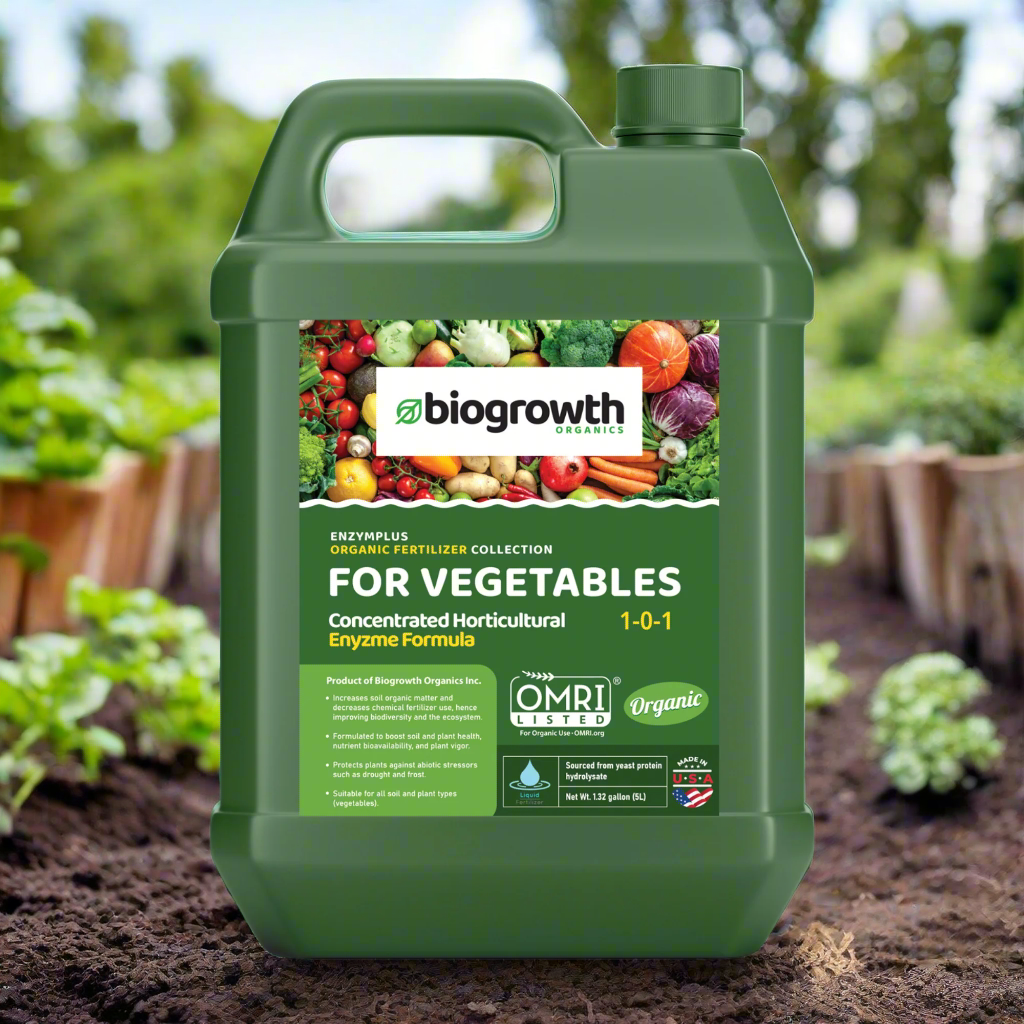
Why BioGrowth?
Revolutionizes plant care with cutting edge enzyme technology and microbial solutions that enrich soil, strengthen plants, and promote long-term sustainability. Whether you're an experienced farmer or a first-time gardener, BioGrowth simplifies the growing process of eliminating guesswork and reducing reliance on synthetic fertilizers and pesticides.
100% Organic & Eco-Friendly
100% Organic & Eco-Friendly
Made from natural, sustainable ingredients, BioGrowth nurtures plants while protecting the environment. It enhances biodiversity and soil fertility without harmful chemicals.
Science-Backed, No Guesswork Required
Science-Backed, No Guesswork Required
Powered by advanced enzyme technology and microbial blends, BioGrowth supercharges soil health and plant resilience. Yet, it’s designed for ease: no PhD required. Replace fertilizers, pesticides and boosters with one foolproof solution.
One Stop Solution, Every Gardener's Goal
One Stop Solution, Every Gardener's Goal
Forget juggling with multiple products. BioGrowth is a one-stop solution that supports plants at every stage making plant care simple, effective and accessible for growers of all levels.
Why We Stand Out ?
Why We Stand Out ?
“Empower Your Green Thumb, From Hobbyist to Pro." BioGrowth democratizes professional grade agricultural technology, making advanced gardening practices accessible to non professionals while enhancing efficacy and sustainability for seasoned growers.
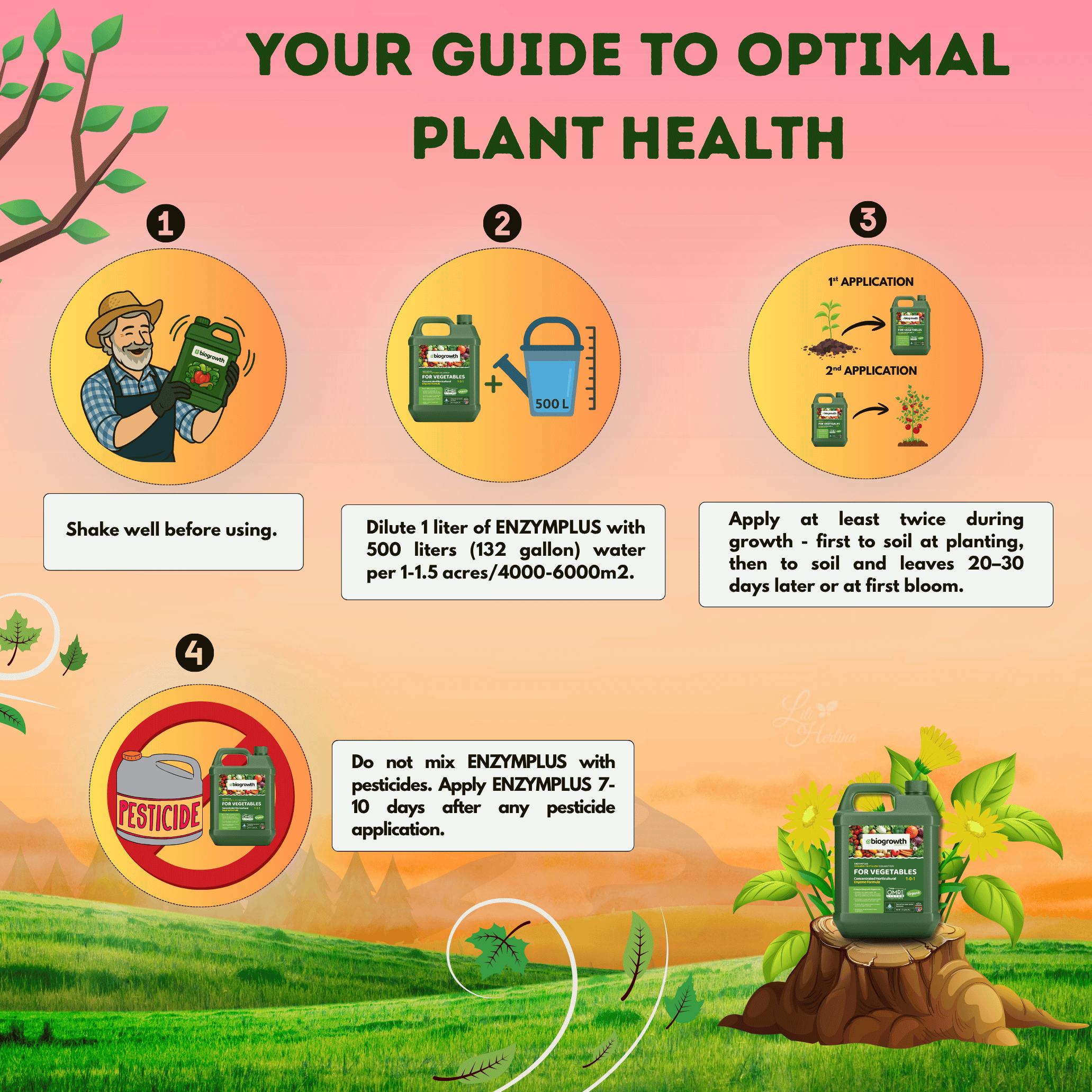
Easy to Use. Minimal Effort, Maximum Growth.
Effortlessly enhances plant health with BioGrowth’s nutrient rich, easy to use formula. Our organic blend enriches the soil, fortifies roots, and supports sustainable growth, simplifying gardening while keeping it greener!
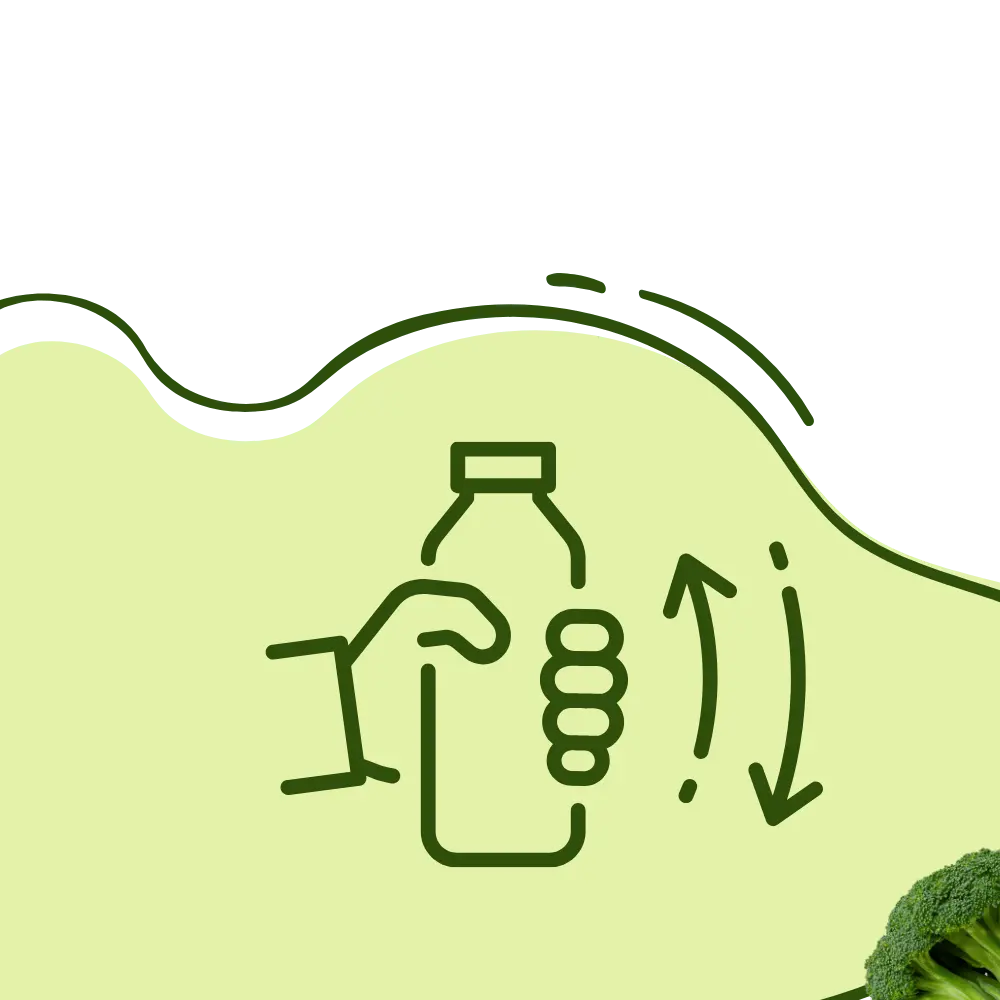
Shake Well
Shake the product well to ensure the ingredients are thoroughly mixed.
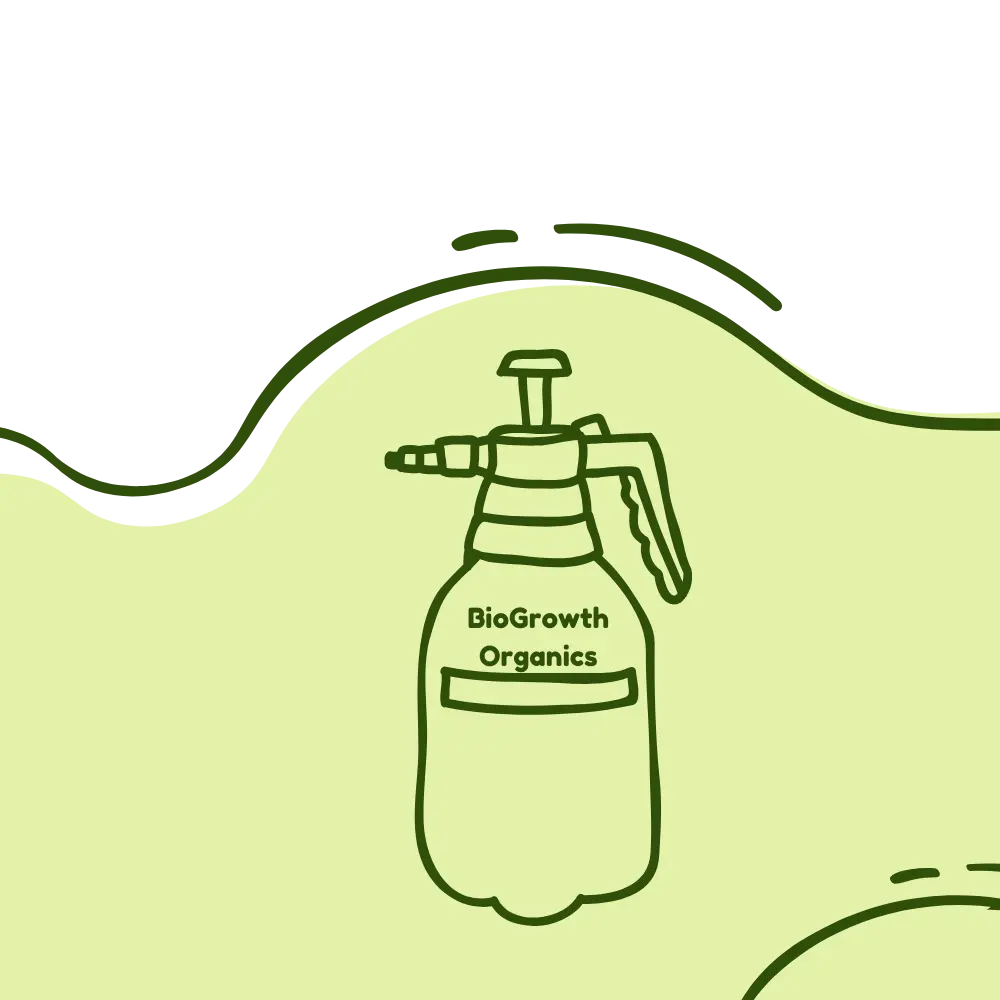
Mix with Water
Mix the suggested amount of fertilizer with water
Spray and Nourish
Spray it on to soil every 10 - 14 days
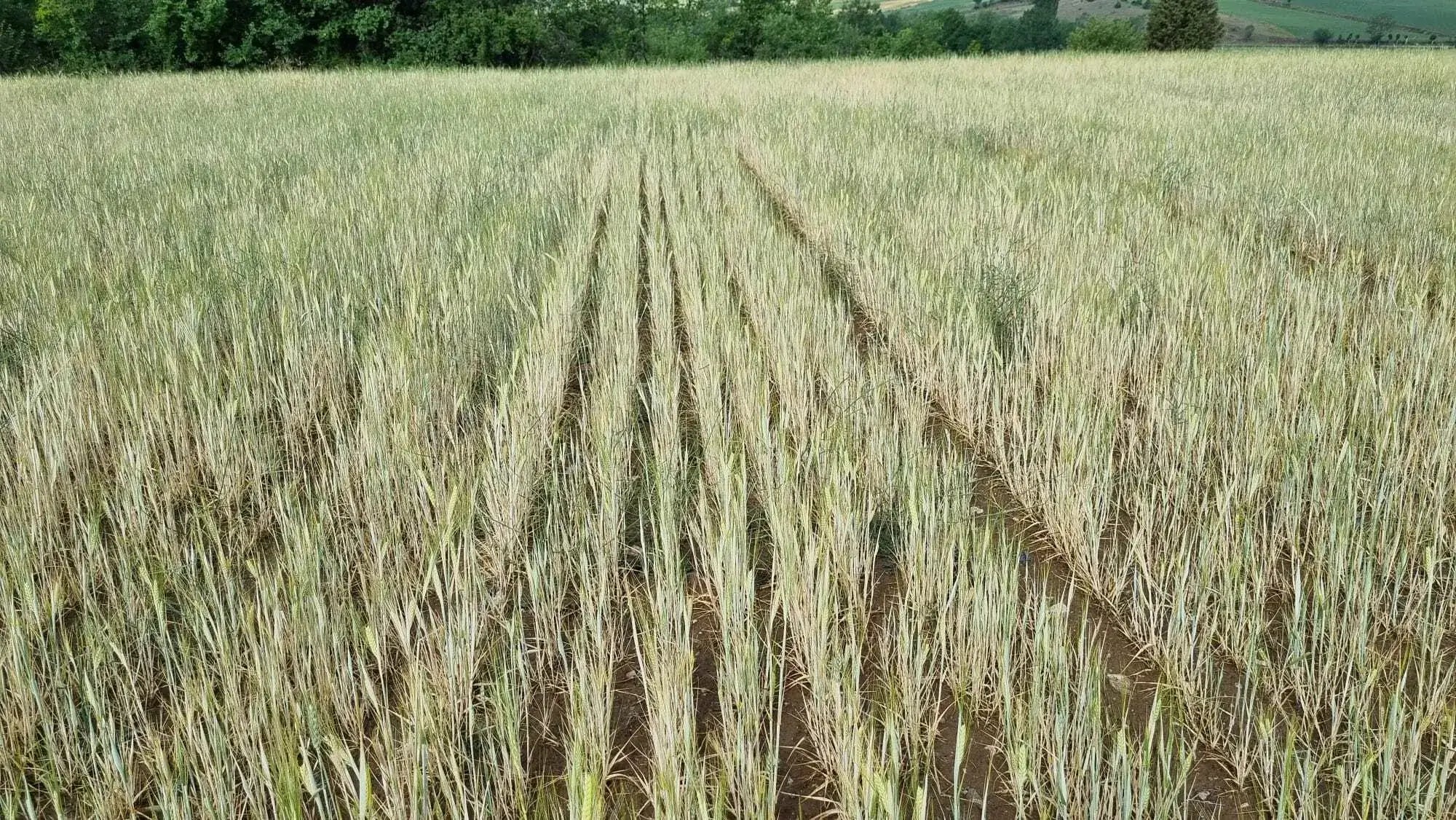
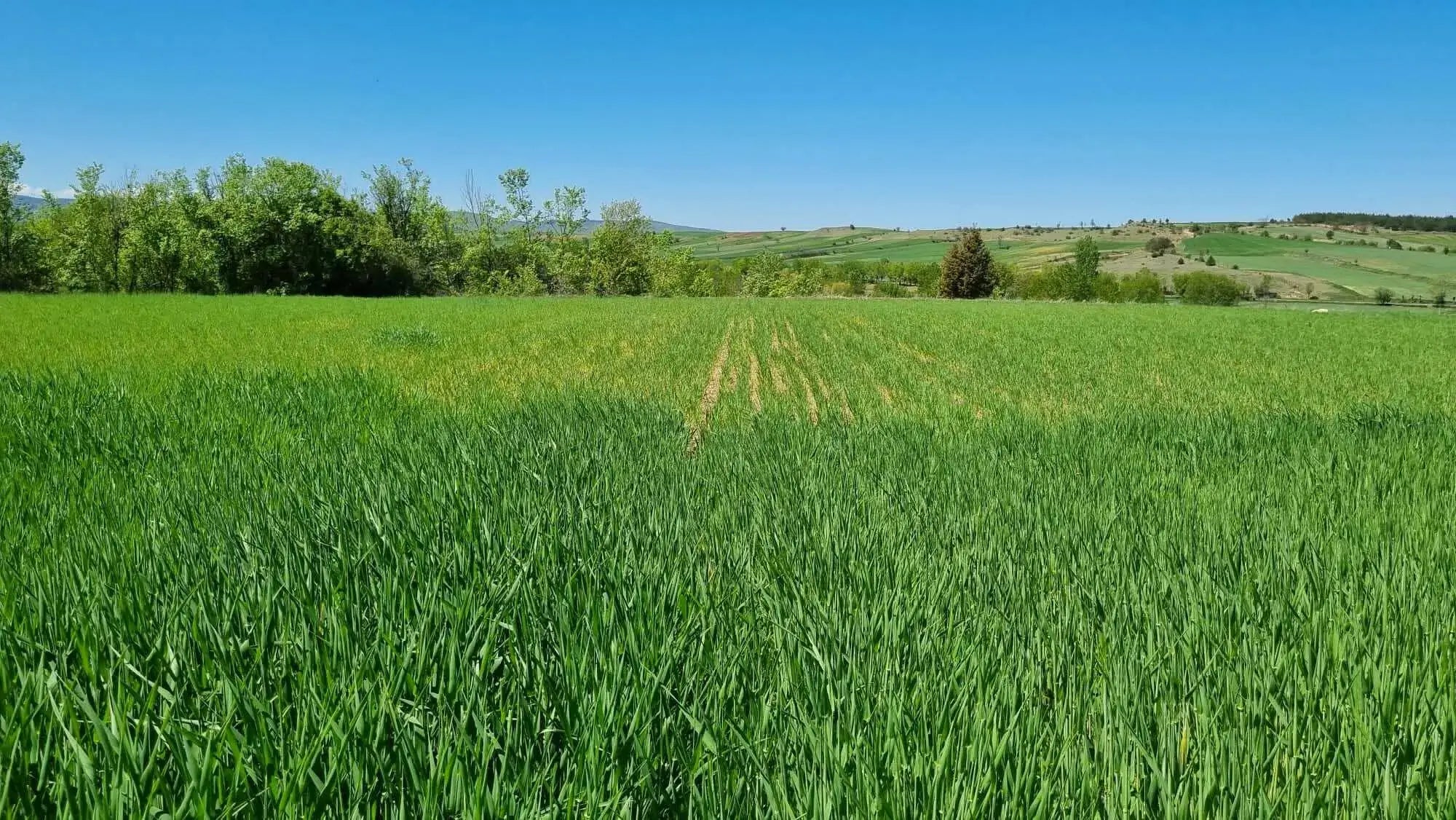
Proof in Every Leaf: BioGrowth’s Impact in Action
Cultivating a Greener Future
Driven by a passion for sustainability and innovation, BioGrowth was founded by environmentalists and scientists dedicated to creating eco-friendly solutions for healthier plants and soils.
Hear From Happy Growers
Sara
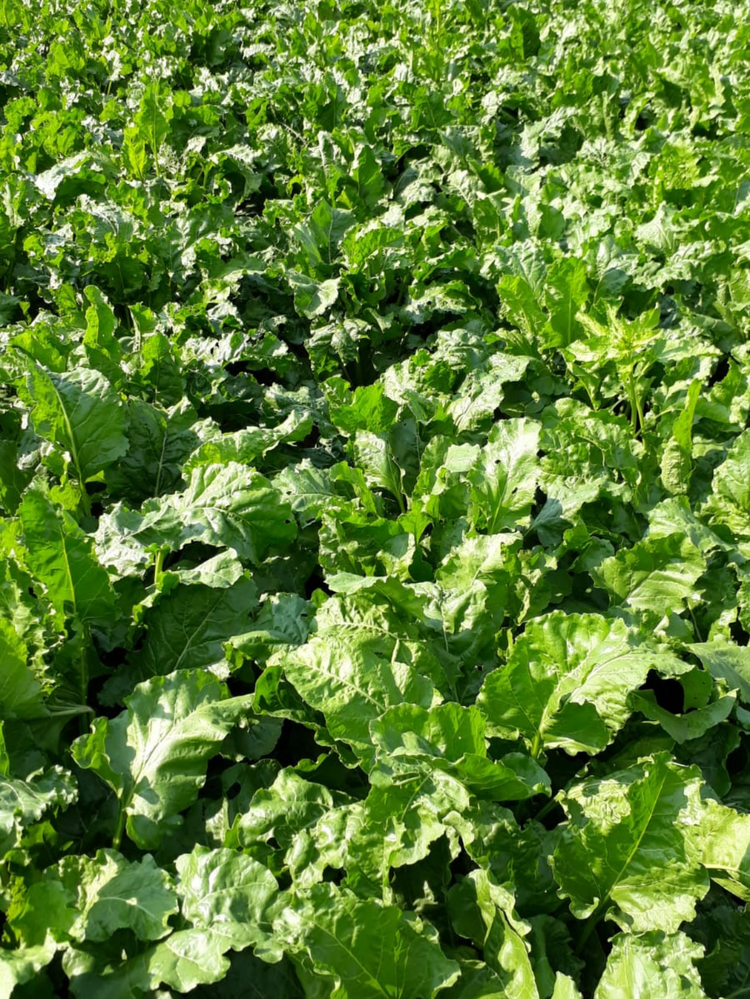
"I’ve been using Biogrowth products on my vegetable garden for two seasons now. Healthier soil, stronger plants, and no harsh chemicals. It’s made a huge difference!"
Jamal
"I was skeptical at first, but after switching to Biogrowth, my harvest was noticeably bigger and healthier."
Miguel
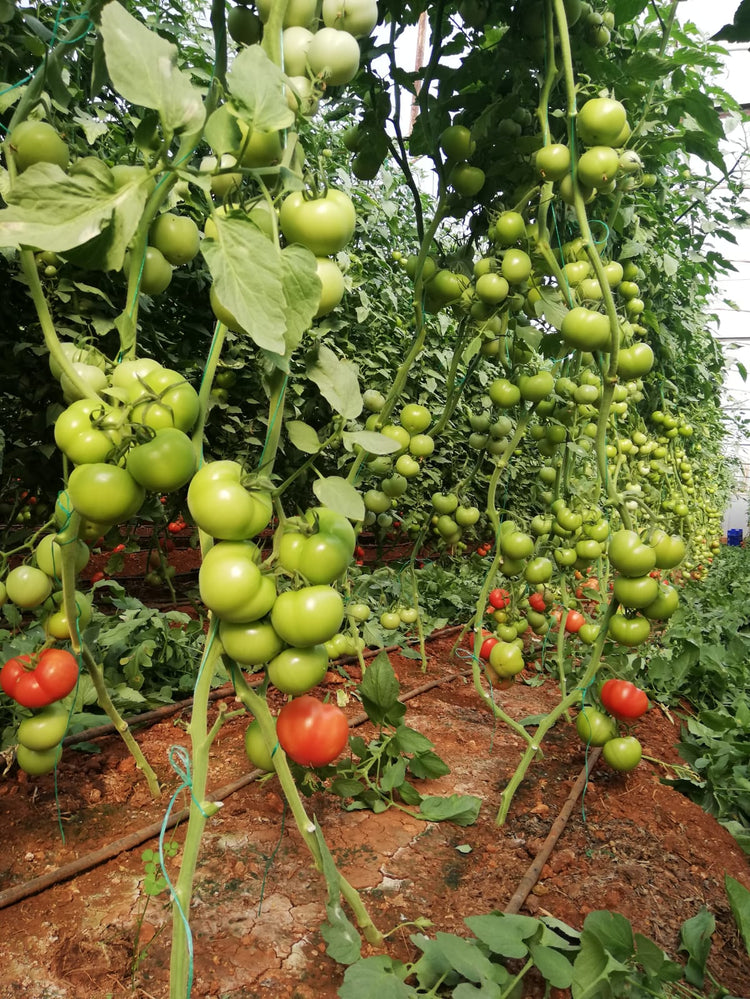
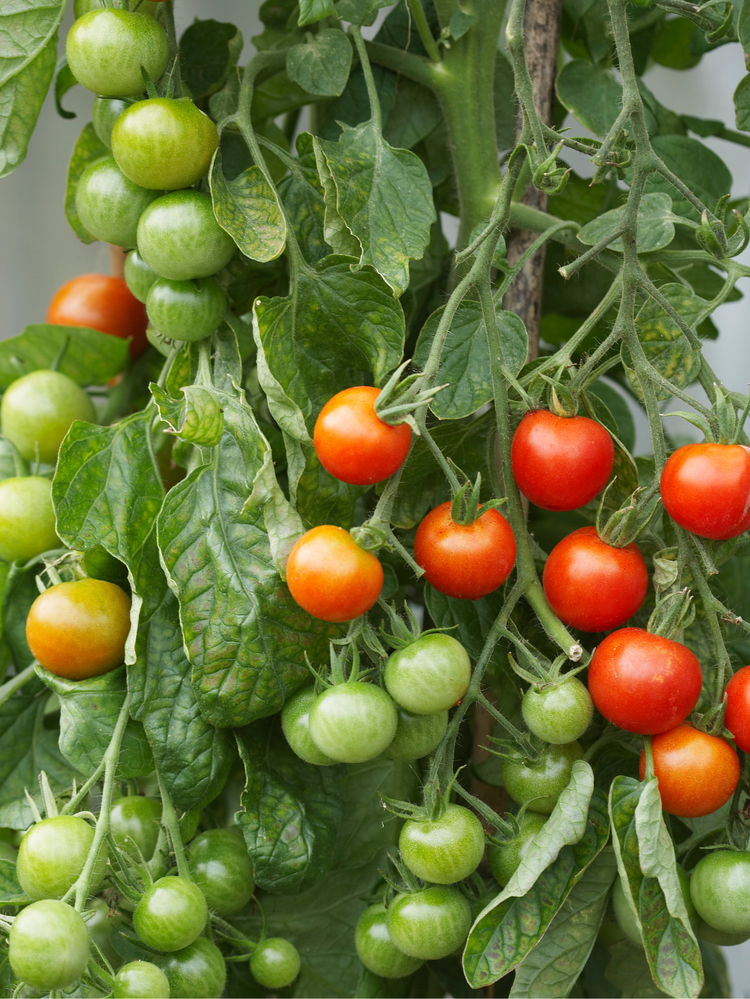
"Easy to apply, eco-friendly, and you can actually see the results. My tomatoes have never looked this good - and I feel good knowing it’s all organic."
Rachel
"Finally found a product that improves the soil and supports healthy growth without all the synthetic junk. Love that it’s safe for my kids and pets too."
Marcus
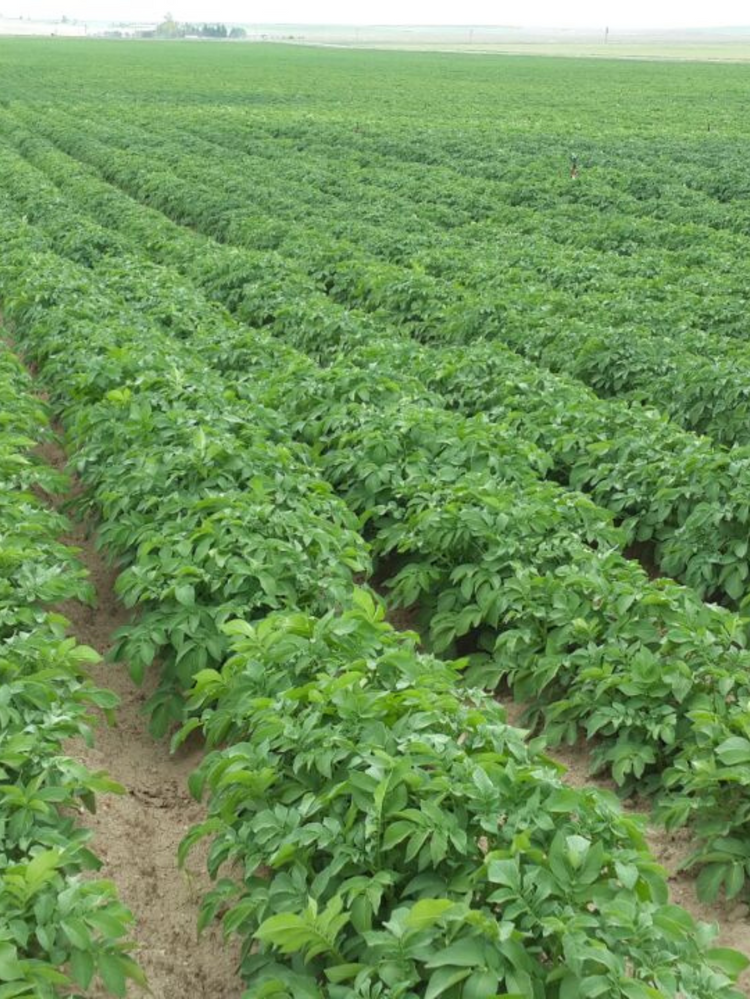
"No more mixing six different bottles. This one does it all. My garden’s never been happier, and neither has my schedule."
🌍The BioGrowth Difference: "A Healthier Garden, A Greener Planet"

Fall Herbs That Keep Producing Through the Cold: 8 Herbs for a Longer Harvest
Summer may be ending, but your herb garden doesn't have to. While heat-loving herbs such as basil quickly slow down when temperatures drop, several cold-tolerant herbs continue producing through fall, and some can even provide fresh harvests well into winter with the right protection. Parsley, thyme, sage, chives, cilantro, mint, oregano, and rosemary can all play a role in extending the herb-growing season - although exactly how long they survive outdoors depends on your climate, variety, growing conditions, and winter temperatures. For gardeners who want fresh herbs beyond summer, fall is less about closing the garden and more about switching to plants that naturally prefer - or at least tolerate - cooler weather. Here are some of the best herbs to grow in fall, plus practical ways to keep them productive when temperatures start dropping. Can Herbs Really Grow During Fall and Winter? Yes - but there's an important distinction between surviving cold weather and actively growing through it. Plant growth generally slows as: Temperatures decrease Daylight hours shorten Soil temperatures fall Photosynthesis slows A hardy herb may survive winter without producing large amounts of new foliage. In milder climates, however, some herbs can continue producing for much of the fall and winter. In colder regions, row covers, cold frames, mulch, sheltered locations, or indoor growing can extend the harvest considerably. So instead of thinking only in terms of whether an herb "survives frost," consider three questions: Can it tolerate cool temperatures? Will the foliage remain harvestable? Will it actively produce new growth under my local conditions? Those answers vary by herb. Best Herbs to Grow in Fall for Cold-Weather Harvests 1. Parsley: One of the Best Cold-Tolerant Culinary Herbs Parsley is one of the strongest candidates for an extended fall herb garden.Unlike heat-loving basil, parsley performs well during cooler conditions and can remain productive after many summer crops have declined. Parsley is technically a biennial, meaning it normally completes its life cycle over two growing seasons. During its first year, the plant concentrates primarily on leafy growth - the part gardeners harvest. Why Parsley Works Well in Fall Tolerates cool temperatures Produces leaves repeatedly after harvesting Works well in garden beds and containers Can continue growing late into the season Benefits from frost protection in colder climates Rather than cutting the entire plant, harvest the larger outer stems near the base while leaving the central growing point intact.This encourages continued production. Fall Growing Tip Apply mulch around parsley to moderate fluctuations in soil temperature. If hard freezes are expected, a row cover, cold frame, or other protective structure can significantly extend the harvest. 2. Cilantro Loves the Cool Weather That Basil Hates Gardeners often struggle with cilantro during summer. As temperatures rise, cilantro tends to bolt, producing flowers and seed rather than tender foliage. Fall changes that. Cooler weather slows bolting and creates conditions that are often much better suited to leafy cilantro production. That makes cilantro one of the most useful herbs to sow toward the end of summer or during early fall. For a Longer Cilantro Harvest Instead of planting one large batch, sow smaller amounts every few weeks. This technique, known as succession planting, gives you plants at different stages of development. When older plants begin declining, younger ones are ready to harvest. Harvest outer stems regularly while allowing the center of the plant to continue growing. In climates with relatively mild winters, cilantro may remain productive much longer than gardeners expect. 3. Chives Can Handle Cold Better Than Many Herbs Chives are perennial herbs that return year after year in many climates. Their narrow green leaves tolerate cooler conditions well, making them useful for extending fresh herb harvests beyond summer. You can harvest chives for: Soups Potatoes Eggs Salads Sauces Garnishes Cut leaves several inches above the soil rather than repeatedly removing individual tips. Established plants generally recover and produce another flush of growth while conditions remain suitable. What Happens to Chives in Winter? In cold climates, the foliage may eventually die back and the plant may enter dormancy. That doesn't necessarily mean the plant is dead. Its underground structures can survive and produce fresh leaves when temperatures rise again. A layer of mulch around established plants can provide additional root-zone insulation. 4. Thyme Can Stay Useful Long After Summer Ends Thyme is a woody perennial herb known for handling cooler conditions much better than many tender annual herbs. Its small evergreen or semi-evergreen leaves make it particularly useful for gardeners who want herbs available later in the season. Thyme performs best in well-drained soil. This becomes especially important during fall and winter because cold, saturated soil can be more damaging than cool air temperatures alone. Avoid planting thyme in locations where water remains pooled around the roots. Harvesting Thyme in Fall Take small portions of young stems rather than heavily cutting the entire plant late in the season. Moderate harvesting leaves enough foliage for the plant to continue functioning as growth naturally slows. 5. Sage Is a Hardy Herb for the Cool-Season Kitchen Sage naturally fits fall cooking. Its savory leaves are commonly used with: Roasted vegetables Stuffing Soups Squash Potatoes Poultry dishes Conveniently, sage is also a perennial herb capable of tolerating cooler conditions in many climates. Established sage plants can remain evergreen or semi-evergreen depending on winter severity. Don't Overwater Sage in Fall Sage prefers good drainage. As temperatures drop and evaporation slows, plants generally require less frequent irrigation than during summer. Allow the upper soil to begin drying rather than keeping the root zone continuously saturated. One of the biggest mistakes with Mediterranean-type herbs during cold weather is giving them summer-level watering during winter-level growth. 6. Oregano Can Extend Your Fresh Herb Season Oregano is another perennial herb that can remain usable into fall. Its woody growth habit and preference for well-drained soil make it better adapted to seasonal temperature changes than tender herbs such as basil. In moderate climates, oregano may maintain usable foliage well into cool weather. In colder locations, above-ground growth may decline or become dormant while the root system survives until spring. Harvest Before Severe Cold If a major freeze is approaching, harvest a portion of healthy oregano beforehand. Oregano dries particularly well, so excess fall growth can be preserved for winter cooking even after outdoor production slows. 7. Mint Is Tougher Than It Looks Mint is an aggressive perennial for a reason. Once established, many mint varieties tolerate cold conditions remarkably well. Growth may slow substantially in fall, and foliage can die back during severe winters, but underground stems often survive and return when conditions improve. During mild fall weather, mint can continue producing fresh leaves for: Tea Sauces Desserts Salads Drinks Cooking Keep Mint Contained Mint spreads through underground stems and can quickly move beyond its intended area. Growing it in a container or otherwise restricting its roots is usually much easier than trying to remove it after it spreads through a garden bed. If container-grown mint remains outside during severe winters, remember that container roots experience colder conditions than roots insulated by surrounding garden soil. 8. Rosemary Can Keep Producing in Mild Winters Rosemary is frequently associated with Mediterranean summers, but established plants can tolerate cool conditions surprisingly well in suitable climates. In mild-winter regions, rosemary can remain evergreen and harvestable throughout much or even all of winter. However, rosemary is not reliably winter-hardy everywhere. Cold tolerance varies considerably by cultivar and location. Gardeners in colder climates may need to: Grow rosemary in containers Move containers to protected areas Bring plants indoors Use season-extension protection Select cultivars bred for improved cold tolerance This makes rosemary different from truly hardy herbs such as chives. Consider local winter lows - not just the word "perennial" on the plant label. How to Keep Fall Herbs Producing Longer Choosing the right herbs is only half of the strategy. Small changes to the growing environment can add valuable days - or even weeks - to your harvest season. Give Herbs as Much Fall Sunlight as Possible Keep the Soil Well Drained Add Mulch Around Established Herbs Use Row Covers for Light Frost Protection Try a Cold Frame for a Longer Herb Harvest Grow Cold-Weather Herbs in Containers Frequently Asked Questions 1. What herbs grow best in fall? Parsley, cilantro, chives, thyme, sage, oregano, mint, and rosemary are among the herbs that can perform well during fall. Their cold tolerance varies, so your climate and expected frost temperatures should guide selection. 2. What herbs can survive frost? Chives, thyme, sage, parsley, mint, and some oregano varieties can tolerate varying degrees of cold. Rosemary's frost tolerance depends strongly on cultivar and climate, while cilantro tolerates cool weather but may eventually be damaged by severe freezing conditions. 3. Can herbs keep growing during winter? In mild climates, certain herbs can remain actively growing and harvestable during winter. In colder climates, perennial herbs may become dormant while others can continue producing under cold frames, row covers, greenhouses, or indoor growing conditions. 4. Should I fertilize herbs in the fall? Only if actively growing herbs require supplemental nutrition. Growth naturally slows as temperatures and daylight decrease, so fall generally isn't the time for indiscriminate heavy feeding. Start with healthy soil and follow soil-test or product recommendations when additional nutrition is needed. 5. Can I bring outdoor herbs inside for winter? Yes. Rosemary, thyme, oregano, parsley, chives, sage, and mint can be grown indoors with sufficient light, appropriate watering, drainage, and temperatures. Inspect outdoor plants carefully for pests before bringing them inside.
Read Blog
Why Soil Structure Matters: How to Build Better Garden Soil
You can give a plant the right amount of sunlight, water it carefully, and supply adequate nutrients - but if its roots are growing in dense, compacted soil, the plant may still struggle. That's because soil structure determines how easily water, air, nutrients, roots, and soil organisms can move through the ground. Good garden soil isn't simply "rich" soil. It needs enough pore space to hold moisture while allowing excess water to drain, enough stability to support roots, and enough organic matter and biological activity to maintain its structure over time. Understanding and improving soil structure is therefore one of the most important steps toward building a productive, resilient garden. What Is Soil Structure? Soil structure describes how individual soil particles bind together into larger clusters called aggregates and how the spaces between those aggregates are arranged. Those spaces - or pores - are particularly important. They allow: Water to enter and move through the soil Excess moisture to drain Oxygen to reach plant roots Carbon dioxide to escape from the root zone Roots to expand through the soil Earthworms and microorganisms to move and function Nutrients to move through the root zone Well-structured garden soil often has a loose, crumbly appearance rather than forming hard blocks or collapsing into dense mud. When gardeners describe good soil as friable, they mean that it holds together enough to maintain structure but breaks apart relatively easily when worked. Why Is Soil Structure Important for Plant Growth? Healthy roots don't grow in isolation. They exist in a complex underground environment where water, oxygen, nutrients, soil particles, microorganisms, and organic matter continuously interact. Poor soil structure interferes with those processes. 1. Good Soil Structure Helps Roots Grow Freely Plant roots need physical space to expand. In heavily compacted soil, roots may encounter enough resistance that they grow slowly, remain shallow, or follow cracks rather than spreading throughout the soil.Restricted root systems can reduce a plant's ability to explore the surrounding soil for moisture and nutrients. A well-aggregated soil contains interconnected spaces through which both fine feeder roots and larger structural roots can grow more easily.This means better soil structure can support a larger and more functional root zone. 2. Soil Structure Controls Drainage One of the most visible consequences of poor soil structure is improper drainage. Dense or compacted soils contain fewer large pores through which excess water can move.The result may be: Water pooling after irrigation Standing water after rainfall Persistently saturated root zones Slow infiltration Increased risk of root problems Plants need water - but most garden plants also need oxygen around their roots. When soil pores remain filled with water for too long, the amount of available oxygen decreases. Improving soil structure helps create a balance between water retention and drainage. 3. Good Soil Structure Improves Soil Aeration Roots respire. That means they consume oxygen and release carbon dioxide just like many other living organisms. Good soil structure creates air-filled pore spaces that allow gases to move between the soil and atmosphere. Compacted soil reduces these spaces.Poor aeration can interfere with healthy root activity and also change which microorganisms thrive in the root zone. This is why aeration and drainage are closely linked when evaluating garden soil health. 4. Healthy Soil Structure Helps Manage Water Good soil structure doesn't simply make water drain faster. It helps soil manage water more effectively. Large soil pores allow water to infiltrate and excess moisture to move downward. Smaller pores can retain moisture that plants may access later. Soil with poor structure may behave at either extreme. Compacted soil may allow water to sit on the surface rather than infiltrate efficiently. Very sandy soil with little organic matter may allow water to move through the root zone too quickly. The goal is not maximum drainage or maximum water retention. The goal is balance. 5. Soil Structure Influences Nutrient Availability Soil structure doesn't directly determine how much nitrogen, phosphorus, or potassium your soil contains, but it strongly influences the root environment in which nutrient uptake occurs. Plants need active roots, water, oxygen, and appropriate soil chemistry to access nutrients effectively.If roots cannot penetrate compacted soil or sections of the root zone remain waterlogged, nutrient uptake may become less efficient even when nutrients are technically present. Soil pH is another important part of this equation because it affects the availability of many nutrients.If plants appear nutrient-deficient despite regular feeding, consider evaluating both the physical structure and chemical condition of your soil. BioGrowth Organics' guide to soil pH and nutrient availability explains how acidity and alkalinity affect plant nutrition. Learn how soil pH affects nutrient uptake 6. Soil Structure Supports Beneficial Soil Life Healthy garden soil is biologically active. It contains bacteria, fungi, earthworms, arthropods, protozoa, and many other organisms that participate in decomposition and nutrient cycling. These organisms need habitat. Soil pores provide some of that habitat, while organic matter provides energy and food sources for many members of the soil food web. Earthworms also influence soil structure by creating channels and processing organic material. Rather than thinking of soil structure as purely physical, it is better to understand it as the result of physical, chemical, and biological processes working together. This connection is explored further in BioGrowth's article on revitalizing soil with earthworms and compost tea. Explore earthworms and soil revitalization What Does Healthy Garden Soil Structure Look Like? There isn't one perfect soil structure for every plant, but productive garden soil generally shares several characteristics. When you pick up a handful of moist soil, it should often form loose aggregates rather than remaining powdery or forming an extremely hard lump. Good garden soil generally: Crumbles relatively easily Contains visible pore spaces Absorbs water without excessive runoff Drains without remaining saturated for long periods Supports visible root growth Contains organic material Shows biological activity where conditions allow it Resists forming a hard surface crust For many garden vegetables, loam or loam-like growing conditions are considered desirable because they combine useful characteristics of sand, silt, clay, and organic matter.However, gardeners don't need to completely transform their native soil into textbook loam.Improving the structure of the soil you already have is usually more realistic. Signs Your Garden Has Poor Soil Structure Plants can communicate soil problems before gardeners realize what is happening underground. Watch for these common warning signs. Water Pools on the Surface Soil Becomes Rock-Hard When Dry Water Runs Off Instead of Soaking In Roots Are Shallow or Distorted Garden Beds Are Difficult to Dig How to Improve Soil Structure Naturally Improving soil structure is usually a gradual process. Rather than searching for one quick amendment, focus on practices that support aggregation, organic matter, roots, and biological activity. 1. Add Finished Compost For most home gardens, compost is one of the most useful amendments for improving soil condition. Finished compost adds stable organic matter that can contribute to aggregation and improve moisture management. In heavy soil, organic matter can help create a more workable structure. In sandy soil, it can improve the soil's ability to hold moisture and nutrients. Compost also provides organic material for the soil ecosystem. If you want to produce your own amendments, BioGrowth's guide to turning kitchen and garden waste into compost provides a practical introduction. Read the composting guide 2. Keep the Soil Covered With Organic Mulch Bare soil receives the full impact of rain, irrigation, sunlight, and wind. Over time, this can contribute to crusting, erosion, rapid drying, and structural degradation. Organic mulch creates a protective layer over the soil surface. Suitable materials may include: Shredded leaves Straw Finished compost Untreated wood chips Chopped plant residues Other locally appropriate organic materials As mulch gradually decomposes, it also contributes organic material to the system. 3. Avoid Working Wet Soil Digging or cultivating heavy soil when it is saturated can destroy aggregates and compress soil into dense clods. Before digging, take a handful of soil and squeeze it. If it smears easily and remains as a sticky, dense mass, it may still be too wet to work. If it forms loosely but breaks apart with moderate pressure, conditions are generally more suitable. 4. Reduce Unnecessary Tillage Tillage can temporarily make the surface look loose and fluffy. But repeated intensive cultivation can disrupt soil aggregates, fungal networks, earthworm habitat, and developing soil structure. That doesn't mean soil should never be disturbed. A severely compacted new garden may initially require mechanical loosening. Afterward, however, gardeners can often transition toward lower-disturbance methods such as: Broadforking Top-dressing with compost Shallow cultivation No-dig gardening Permanent beds Cover cropping The principle is simple: Disturb the soil when necessary - not automatically. 5. Grow Plants With Different Root Systems Roots are natural soil engineers. Fine fibrous roots create networks through the upper soil. Large taproots can penetrate deeper layers. When roots die and decompose, the channels they leave behind can become pathways for water, air, microorganisms, and future roots. Growing a variety of plants therefore supports a more diverse underground environment. Cover crops can be particularly helpful during periods when garden beds would otherwise remain empty. 6. Encourage Earthworms and Soil Organisms Earthworms naturally create channels as they move through suitable soil. Rather than simply purchasing worms, focus on creating an environment in which soil organisms can thrive. Provide: Organic matter Mulch Suitable moisture Plant residues Minimal unnecessary disturbance Biological activity and good soil structure reinforce one another. Healthy structure creates habitat for soil organisms, while soil organisms help create and maintain that structure. 7. Use Organic Matter Consistently One large application of compost doesn't permanently solve soil-structure problems. Organic materials continue decomposing over time. Gardens also lose plant material whenever crops are harvested and removed. Soil building therefore requires continuous organic-matter management. Consider top-dressing beds with appropriate amounts of mature compost periodically and returning suitable plant residues to the soil system. BioGrowth Organics' guide to organic soil preparation and chemical-free gardening provides additional practices for building soil health over multiple seasons. Explore organic soil preparation Where BioGrowth Fits Into a Soil-Health Routine BioGrowth products are most relevant after the basic physical condition of the soil is being managed correctly. For home fruit and vegetable gardens, BioGrowth Catalyst is one option when supplemental organic plant nutrition is appropriate. Catalyst contains nitrogen, potassium, vitamins, humic acid, and fulvic acid and is formulated to support nutrient absorption, root development, and plant vigor. It should complement - not replace - core soil-building practices such as composting, managing compaction, maintaining appropriate moisture, and adding organic matter. The underlying approach remains the same: Build the soil first. Supplement the plant second. Frequently Asked Questions 1. What is soil structure in gardening? Soil structure refers to how sand, silt, clay, and organic materials are arranged into aggregates and the pore spaces created between them. These spaces influence drainage, aeration, root growth, water retention, and biological activity. 2. What is the best soil structure for plants? Most garden plants perform well in soil with a crumbly or granular structure containing a balance of large and small pore spaces. The ideal structure allows excess water to drain while retaining enough moisture and oxygen to support healthy roots. 3. How can I improve soil structure naturally? Add mature compost and other appropriate organic matter, use organic mulch, reduce unnecessary tillage, avoid walking on garden beds, grow cover crops, maintain living roots, and avoid working soil while it is excessively wet. 4. Does compost improve soil structure? Compost can contribute organic matter that supports soil aggregation, biological activity, moisture retention, and overall workability. Its effect depends on the existing soil, the type of compost, application rate, and long-term soil-management practices. 5. How do I know if my soil is too compacted? Common signs include standing water, slow infiltration, hard soil surfaces, difficulty inserting a garden tool, shallow or distorted roots, and poor plant growth despite adequate watering and nutrition. Digging into the root zone is often the easiest way to confirm whether a compacted layer exists.
Read Blog
Organic Soil Preparation: How to Go Chemical-Free in Your Garden
A productive organic garden doesn't begin with fertilizer, seeds, or even plants. It begins with the soil. If you're trying to grow vegetables, herbs, flowers, or fruits without relying on synthetic fertilizers and harsh chemical treatments, organic soil preparation is one of the most important steps you can take. Healthy garden soil does much more than hold plant roots. It stores water, cycles nutrients, supports beneficial microorganisms, provides oxygen to roots, and creates the biological foundation plants depend on throughout the growing season. The goal of chemical-free gardening isn't simply to stop using synthetic products overnight. It is to gradually create soil that functions better naturally through organic matter, compost, living soil biology, mulch, responsible nutrient management, and good gardening practices. Here's how to prepare garden soil naturally and build a healthier foundation for your plants. What Does Chemical-Free Gardening Actually Mean? When gardeners talk about going "chemical-free," they usually mean reducing or eliminating reliance on synthetic fertilizers, herbicides, pesticides, and other conventional garden treatments. Technically, everything around us is made of chemicals - including water and nutrients - so a more accurate gardening goal is to move toward natural and organic soil-management practices. Instead of depending heavily on synthetic inputs, organic gardening focuses on: Building soil organic matter Supporting beneficial soil organisms Recycling nutrients naturally Improving soil structure Using compost and other organic amendments Protecting soil with mulch and plant cover Feeding plants according to actual nutrient needs Managing pests and weeds using preventative and lower-impact methods Organic gardening is therefore less about replacing one bottle with another and more about changing the way you manage the entire garden ecosystem. For a deeper introduction to this approach, read BioGrowth Organics' guide to What Organic Gardening Really Means. Why Healthy Soil Matters in an Organic Garden Plants need nutrients, but simply supplying nutrients isn't enough. Roots also need moisture, oxygen, appropriate soil structure, suitable pH, and a functioning biological environment. Healthy organic soil generally contains a mixture of: Mineral particles: sand, silt, and clay. Organic matter: decomposed leaves, compost, plant residues, and other carbon-rich materials. Air: pore spaces that allow roots and aerobic organisms to breathe. Water: available moisture without constant waterlogging. Living organisms: bacteria, fungi, protozoa, earthworms, insects, and other members of the soil ecosystem. This biological activity is central to the concept of living soil. Rather than treating soil as an inert material that simply holds roots, living-soil gardening manages it as an active ecosystem. BioGrowth Organics explores this concept further in Living Soil: The Future of Regenerative Gardening. How to Prepare Garden Soil Organically: Step by Step Whether you're starting a new vegetable garden or converting an existing conventional garden, the following process creates a practical foundation for organic growing. 1. Start With a Soil Test Before Adding Fertilizer One of the most common gardening mistakes is adding fertilizer before understanding what the soil actually needs. A basic soil test can provide information about: Soil pH Nitrogen Phosphorus Potassium Organic matter Certain secondary nutrients and micronutrients Testing is particularly important when transitioning away from synthetic fertilizers because your soil may already contain significant nutrient reserves. Adding more nutrients simply because plants are growing poorly can sometimes make the problem worse. For example, plants can show nutrient-deficiency symptoms even when nutrients are present if the soil pH prevents roots from accessing them efficiently. BioGrowth's guide to testing and adjusting garden soil pH explains this relationship in greater detail. 2. Add Compost to Build Organic Matter If there is one amendment that belongs at the center of most organic soil-preparation strategies, it is mature compost. Finished compost introduces decomposed organic material into the soil and can help improve: Soil structure Water retention Drainage in heavier soils Nutrient-holding capacity Biological activity Spread mature compost over the garden bed and gently incorporate it into the upper soil layer when necessary. Established no-dig beds can often be top-dressed instead. The key word is finished compost. Fresh or incompletely decomposed material can temporarily compete with plants for available nitrogen and may create unfavorable conditions around young roots. 3. Don't Assume More Compost Is Always Better Organic gardening isn't about adding unlimited quantities of amendments. Nutrients from compost can accumulate over time, particularly phosphorus. That's another reason soil testing is valuable. If your existing soil already contains high nutrient levels, additional organic matter may need to come from materials with a different nutrient profile, such as certain leaf-based composts or appropriate mulches. The objective is balance - not simply adding as much material as possible. 4. Use Worm Castings as a Supplemental Soil Amendment Earthworm castings, also called vermicast or vermicompost, can be useful when preparing garden beds, potting mixes, and planting holes. They contain stabilized organic material created as worms digest decomposing matter. You can use worm castings: Around transplants As a light top-dressing In raised-bed mixes In container-growing media Alongside mature compost They should generally be treated as a supplement, not as a complete replacement for your garden soil or bulk compost. If you're interested in the relationship between earthworms and organic soil health, BioGrowth's guide to revitalizing soil with earthworms and compost tea provides additional guidance. 5. Stop Leaving Garden Soil Bare Bare soil is vulnerable soil. When exposed directly to sun, rain, and wind, the surface may: Dry more quickly Erode Form a crust Experience greater temperature fluctuations Lose organic matter Become more hospitable to certain weeds One of the easiest organic gardening practices is simply to keep the soil covered. Organic mulch options include: Shredded leaves Clean straw Untreated wood chips Grass clippings used appropriately Finished compost Pine needles where suitable Chopped plant residues Mulch reduces direct exposure while slowly returning organic material to the soil as it decomposes.Keep heavy mulch slightly away from plant stems and tree trunks to reduce persistent moisture against plant tissue. 6. Reduce Unnecessary Tilling Traditional garden preparation often involves repeatedly digging or rototilling the entire bed. Although tillage can temporarily loosen compacted ground, excessive disturbance can disrupt the soil's developing structure and biological networks. Earthworms create channels. Fungal organisms form extensive underground networks. Roots create pathways as they grow and decompose. Soil particles gradually aggregate into stable structures. Constantly turning everything over interrupts some of these processes. If the soil isn't severely compacted, consider lower-disturbance techniques such as: Broadforking Garden-fork aeration Top-dressing with compost No-dig gardening Growing deep-rooted cover crops The goal isn't necessarily never disturb the soil. The goal is to disturb it only as much as necessary. 7. Replace Synthetic Fertilizer Gradually and Intelligently Going organic doesn't mean plants suddenly stop needing nitrogen, phosphorus, potassium, and micronutrients. It means choosing nutrient sources and soil-management methods that align with an organic growing system. Depending on the crop and your soil-test results, appropriate inputs may include: Compost Vermicompost Aged and properly composted manure Plant-based organic fertilizers Mineral amendments where deficiencies are confirmed Organic liquid plant nutrients Cover crops and green manures Different amendments release nutrients at different speeds. That makes long-term planning particularly important in organic gardening. Synthetic soluble fertilizers can deliver nutrients very quickly, whereas many organic materials depend partly on biological decomposition before their nutrients become available to plants. 8. Support Soil Biology Rather Than Constantly Disturbing It A productive organic garden contains an enormous underground community. Bacteria, fungi, worms, arthropods, plant roots, and other organisms all interact with decomposing organic materials. You can create better conditions for this soil food web by providing: Organic matter Consistent but appropriate moisture Root diversity Mulch Compost Reduced unnecessary tillage BioGrowth Catalyst can also fit into this kind of organic soil-management program when supplemental plant nutrition is appropriate. BioGrowth Catalyst contains nitrogen, potassium, vitamins, humic acid, and fulvic acid and is formulated for soil and foliar use. The manufacturer's directions recommend applying the diluted product to moist soil and foliage approximately every two weeks. It should be viewed as a complement to sound soil preparation - not a substitute for compost, soil testing, drainage, or good growing practices. 9. Grow Cover Crops Instead of Leaving Beds Empty When a vegetable bed isn't being used for production, consider planting a cover crop. Common cover-crop categories include: Legumes Plants such as clover, peas, and vetch can form relationships with nitrogen-fixing bacteria. Grasses and grains Rye, oats, and similar crops produce significant root and above-ground biomass. Deep-rooted crops Certain cover crops can send roots through compacted layers and contribute organic material deeper in the soil profile. Cover crops can help: Keep the soil covered Reduce erosion Add organic residues Support soil organisms Improve soil structure Capture nutrients that might otherwise leach away Choose species according to your climate, growing season, and next crop. 10. Rotate Crops to Protect Long-Term Soil Fertility Growing the same plant family repeatedly in the same location can create several problems. The same crops may remove similar nutrients year after year, while pests and pathogens associated with those plants may become established. Crop rotation helps diversify what happens both above and below ground. For vegetable gardens, try rotating major plant families such as: Tomatoes, peppers, potatoes, and eggplants Beans and peas Cabbage, broccoli, kale, and cauliflower Carrots and related root crops Squash, cucumber, melon, and pumpkin Even basic rotation is better than continuously growing the same crop in exactly the same place. How Long Does It Take to Transition to Organic Garden Soil? There isn't a universal timetable. A garden that has received heavy applications of synthetic fertilizer, herbicides, or other intensive treatments for many years may require more time to develop a robust soil ecosystem than a relatively undisturbed garden. However, you can begin improving conditions immediately. Within the first growing season, you may notice changes in: Soil texture Water infiltration Moisture retention Earthworm activity Root development Ease of cultivation Long-term improvements continue as organic matter accumulates and soil structure develops. Think in terms of seasons rather than days. Organic soil building is a process, not a one-time application. An Easy Organic Soil Preparation Formula for Beginners If you're overwhelmed by all the options, start simply. Before planting: 1. Test the soil. 2. Correct major pH or drainage problems where necessary. 3. Add mature compost based on your soil's condition. 4. Gently loosen compacted areas rather than repeatedly tilling everything. 5. Add worm castings if appropriate. 6. Plant your crop. 7. Cover exposed soil with organic mulch. 8. Water deeply and appropriately. 9. Use supplemental organic nutrition only when needed. 10. Continue returning organic material to the soil after each growing season. For gardeners preparing a plot for the first time, BioGrowth Organics' beginner's guide to preparing garden soil offers a useful companion guide. Can BioGrowth Products Fit Into a Chemical-Free Gardening Routine? For home gardeners transitioning toward organic plant care, BioGrowth Catalyst is the most directly relevant BioGrowth product.It contains humic acid, fulvic acid, vitamins, nitrogen, and potassium and is designed for diluted applications to soil and foliage. For larger growing operations or growers seeking an organic liquid fertilizer for a broader range of crops, BioGrowth Enzymplus is another option. BioGrowth describes Enzymplus as a liquid organic fertilizer based on protein hydrolysates, amino acids, and short polypeptides, with recommended soil and foliar applications. The important principle remains the same: Use plant nutrition to support good soil management - not to compensate for poor soil management. A bottle cannot replace compost, drainage, proper watering, healthy roots, good soil structure, or appropriate pH. Frequently Asked Questions 1. How do I prepare garden soil without chemical fertilizer? Begin with a soil test to determine pH and nutrient levels. Add mature compost and other suitable organic matter, loosen compacted areas where necessary, apply mulch, and use organic nutrient sources according to the needs of your soil and plants. 2. Can I stop using synthetic fertilizer immediately? You can transition away from synthetic fertilizer, but don't assume that eliminating it removes your plants nutrient requirements. Evaluate existing soil fertility and replace nutrients appropriately using compost, organic fertilizers, cover crops, or other suitable amendments. 3. What is the best organic material to improve garden soil? Finished compost is one of the most versatile soil amendments because it adds decomposed organic matter and can improve soil structure, moisture management, and nutrient-holding capacity. The best amendment, however, depends on your existing soil. 4. How can I make my garden soil healthy naturally? Maintain organic matter, use compost and mulch, reduce unnecessary tillage, keep soil appropriately moist, rotate crops, grow cover crops when possible, and test soil periodically so amendments are applied based on actual needs rather than guesswork. 5. How long does it take to convert a garden to organic growing? You can begin using organic practices immediately, but rebuilding organic matter, soil structure, and biological activity is a gradual process. Noticeable improvements may occur during the first growing season, while mature soil-building systems develop over multiple seasons.
Read Blog
