

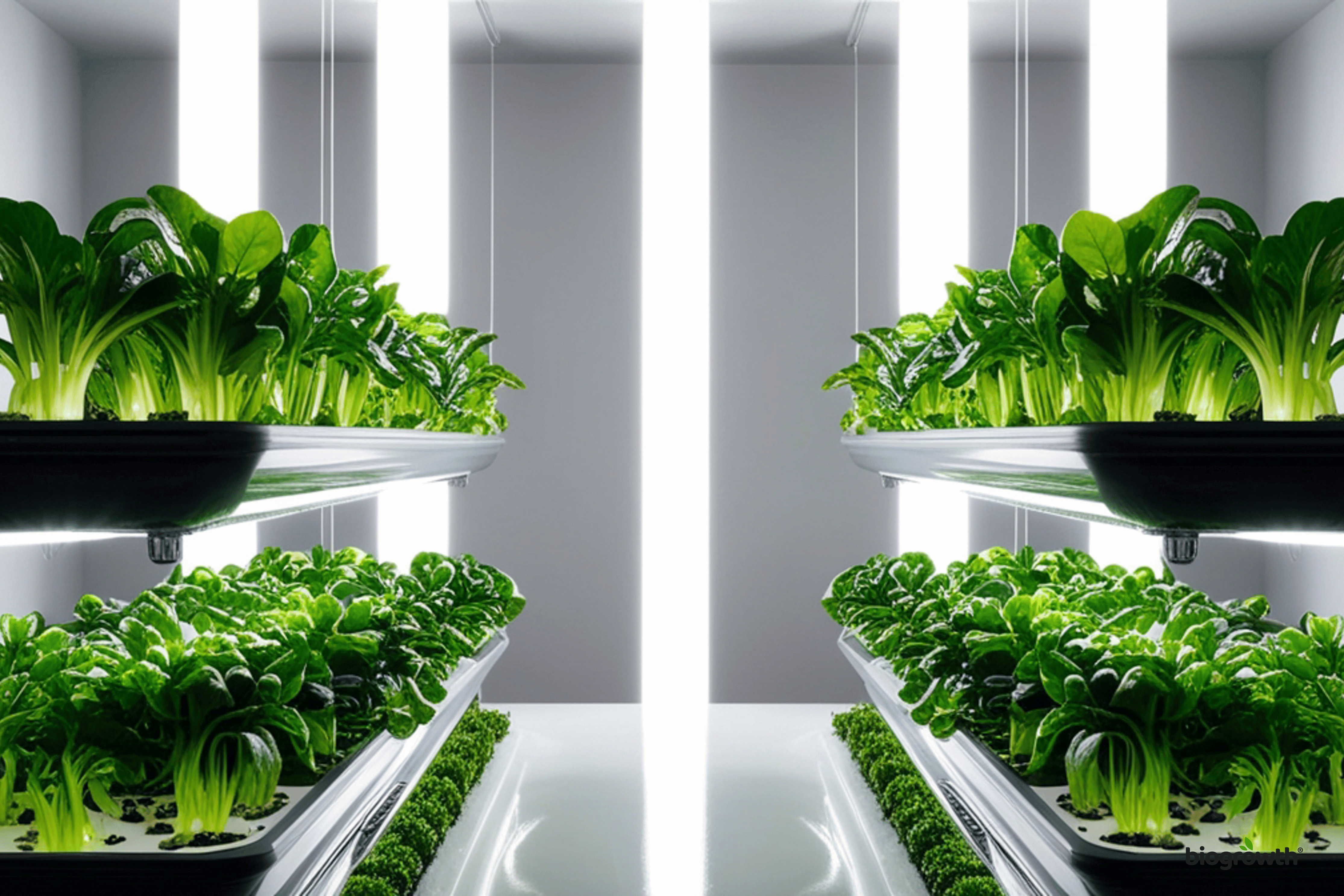
Hydroponic gardening has exploded in popularity over the past decade and for good reason. It is clean, efficient, space-saving, and highly sustainable. However, despite these benefits, many aspiring green thumbs hesitate to start because of lingering misconceptions.
Whether you are worried about the cost or the complexity, we are here to set the record straight. Let’s bust the most common hydroponic myths and look at the facts behind this soil-free revolution.
Myth 1: "Hydroponics is Only for Scientists or Tech Experts"
The Truth: You don’t need a degree in botany or engineering to grow a head of lettuce. Modern hydroponics is incredibly beginner-friendly. While commercial farms use sensors and automation, a home gardener can start with the Kratky method, a passive system that doesn’t even require electricity.
Once you learn the basics of mixing nutrients and checking pH, it becomes a simple routine. Think of it like a recipe: follow the steps, and you’ll get great results. For those transitioning from traditional plots, check out our guide on spring gardening tips to see how soil-free methods compare.
Myth 2: "Setting Up a System is Too Expensive"
The Truth: While you can spend thousands on a high-tech setup, you don’t have to. Many successful growers start with DIY setups using recycled buckets, mason jars, or plastic bins. A basic pH kit and a bottle of nutrients are affordable and last for months. Many hobbyists start with a budget of under $50 and scale up as they gain confidence.
Myth 3: "Plants Need Soil to Taste Good or Be Nutritious"
The Truth: Plants don’t actually "eat" soil; they absorb minerals, water, and oxygen. Hydroponics delivers these essentials directly to the roots with 100% efficiency. Studies have shown that hydroponic produce is just as nutritious and often more flavorful than soil-grown crops because the plant isn't stressed by searching for food.
To give your water-based crops an extra edge, adding a biological boost like Biogrowth Catalyst provides essential vitamins (B1, C, and E) that help plants handle the transition into a hydroponic environment, ensuring vibrant flavor and health.
Myth 4: "Hydroponics Means Zero Pests or Diseases"
The Truth: It’s true that you won't deal with soil-borne pests or weeds, but hydroponics isn't a "set it and forget it" vacuum. Indoor pests like aphids or spider mites can still find their way in, and stagnant water can lead to algae or root rot.
Pro-Tip: Maintaining system hygiene is key. Using an enzyme-rich solution like Enzymplus helps break down dead root matter and organic buildup, keeping your water clean and your root zones healthy.
Myth 5: "Hydroponics Wastes Too Much Water"
The Truth: This is perhaps the biggest irony in gardening. Hydroponics actually uses up to 90% less water than traditional soil gardening. In a soil bed, water evaporates or drains away into the ground where the plant can't reach it. In hydroponics, water is recirculated within a closed system. This makes it the most sustainable gardening method for drought-prone areas.
Myth 6: "You Need Fancy Grow Lights to Succeed"
The Truth: While grow lights are great for basement setups or winter growing, they aren't a requirement. Many hydroponic enthusiasts grow herbs and greens on sunny windowsills, balconies, or in greenhouses using 100% natural sunlight. As long as your plants get 4 - 6 hours of light, you can grow successfully without a single lightbulb.
Myth 7: "Managing pH and Nutrients is Too Complicated"
The Truth: It sounds intimidating, but it’s actually just "gardening with precision." Instead of guessing what is in your soil, you know exactly what is in your water.
- Add your pre-mixed nutrient solution.
- Test with a simple color strip or digital meter.
-
Adjust slightly if needed. After two weeks, this becomes second nature and it’s much easier than trying to fix poor-quality backyard dirt.
Myth 8: "Hydroponics is Unnatural"
The Truth: Hydroponics is simply a more efficient way to mimic nature. By removing the "middleman" (soil), we reduce water waste, eliminate the need for harmful chemical pesticides, and grow food faster. It’s the future of urban agriculture and space exploration, helping solve global food challenges in a way that respects the environment.
Hydroponic gardening isn't just a trend, it’s a smarter way to grow. Most of the fears surrounding it are simply misconceptions that vanish once you see your first seedling sprout in water. Whether you’re growing basil in the kitchen or tomatoes in the garage, the rewards are faster, cleaner, and more sustainable.
Frequently Asked Questions
1. Can I grow organically in hydroponics?
Absolutely. While many use mineral salts, you can incorporate organic vitamins and enzymes like Catalyst and Enzymplus to maintain a biological, "living" system in your water.
2. Does hydroponic food taste different?
Actually, many people find it tastes better! Because the plants receive a perfect balance of nutrients, they can produce higher sugar and mineral content, leading to tastier fruits and veggies.
3. What is the easiest thing to grow hydroponically?
Leafy greens like lettuce and herbs like basil or mint are the easiest for beginners. They grow quickly and are very forgiving as you learn to manage your system.
4. How much space do I need for a hydroponic setup?
One of the best parts of hydroponics is its space efficiency. Because roots don't have to "spread out" to find food in soil, you can grow up to 3 times more plants in the same footprint. Whether it’s a mason jar on a windowsill or a vertical tower in a corner, you can garden almost anywhere.
5. Do I need to change the water in my system often?
To keep your "biological engine" running smoothly, we recommend a full reservoir change every 2–3 weeks. This prevents nutrient imbalances and keeps the water fresh. Adding a fresh dose of Catalyst during each change ensures your plants have the vitamins they need to maintain high-speed growth.


