

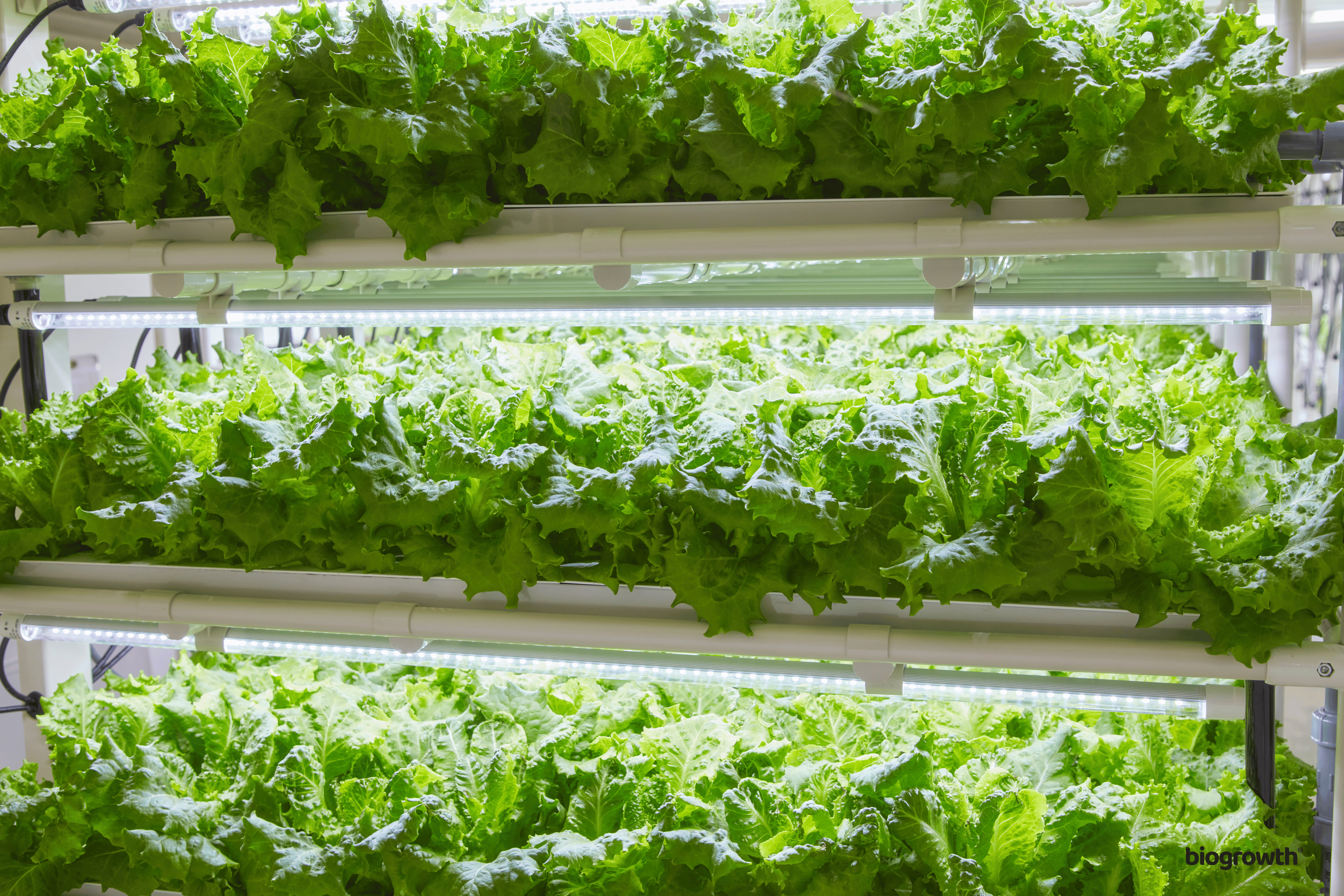
If you’ve ever seen crisp emerald lettuce floating in a sleek water tank or vibrant basil thriving on a kitchen windowsill without a speck of dirt in sight, you’ve witnessed a biological marvel.
Welcome to the world of hydroponics, where plants grow without soil and often, far more efficiently than they do in traditional gardens. But how do plants survive, let alone thrive, without the one thing we’ve always associated with gardening? The answer lies in precision science.
What exactly is Hydroponics?
At its core, hydroponics is the method of growing plants using water, oxygen, and a mineral-rich nutrient solution. The word stems from the Greek words hydro (water) and ponos (work) literally "working water."
In this system, we remove the "middleman" (soil) and deliver essential elements directly to the root zone. While soil acts as a reservoir for nutrients, it can also be a source of pests, diseases, and inconsistent pH levels. Hydroponics eliminates these variables to create a "perfect" growing environment.
The Biology of Nutrient Absorption: Soil vs. Water
To understand why hydroponic plants grow up to 50% faster, we have to look at how they "eat."
- In Traditional Soil: Plants must expend massive amounts of metabolic energy growing long, complex root systems to "hunt" for pockets of moisture and minerals.
- In Hydroponics: Nutrients are already dissolved in a bio-available state. The roots sit in a literal "vitamin bath." Because the plant doesn't have to work to find food, it redirects all that saved energy into lush leaf growth and abundant flowering.
To maximize this absorption, professional growers often supplement their reservoirs with Biogrowth Catalyst. Its Live Enzyme Technology acts like a "digestive system" for the water, breaking down organic matter and making micro-nutrients instantly available to the roots.
The Five Pillars of a Soil-Free System
For a plant to thrive without dirt, the hydroponic system must replicate the five functions of soil using more precise tools:
| Function of Soil | Hydroponic Alternative |
| Nutrient Supply |
Mineral-rich water solution (N-P-K + Trace minerals) |
| Moisture Retention | Constant circulation or absorbent inert mediums |
| Physical Support | Inert mediums like clay pebbles, rockwool, or net pots |
| Root Aeration | Air pumps, air stones, or falling water (oxygenation) |
| pH Buffering | Precise manual or digital pH monitoring |
The Role of Oxygen
Perhaps the most overlooked factor in hydroponics is oxygen. While leaves breathe carbon dioxide, roots require oxygen to perform cellular respiration. In soil, air pockets provide this. In water, we use air stones similar to those in fish tanks to create "dissolved oxygen." Without it, plants can suffer from root rot.
To keep the root zone pristine and free of buildup, many growers use Enzymplus. These enzymes keep the water "alive" and clean, ensuring the roots stay pearly white and highly absorbent.
Controlled Environments: Gardening with Precision
One of the greatest scientific advantages of hydroponics is environmental control. By growing indoors or in a greenhouse, you can optimize:
- Light Cycles: Providing 14 - 16 hours of LED "sunlight" to speed up photosynthesis.
- Temperature & Humidity: Keeping plants in their "comfort zone" to prevent stress.
- pH Levels: Ensuring the water stays between 5.5 and 6.5, the "sweet spot" where plants can actually absorb nutrients.
Why Hydroponics is the Future of Sustainable Growth
Beyond the faster harvest times (leafy greens in 3 weeks vs. 6 weeks in soil), the science of hydroponics is inherently eco-friendly. Because the water recirculates, these systems use up to 90% less water than traditional farming.
Whether you are starting a small herb garden or exploring aquaponics vs. hydroponics for a larger setup, you are utilizing a cleaner, smarter way to grow. By understanding the science behind the system, you aren't just gardening - you're engineering success.
Frequently Asked Questions
1. Do hydroponic plants need special light?
They need the same quality of light as soil plants. Indoors, this usually means full-spectrum LED grow lights that mimic the sun’s rays, specifically focusing on the blue and red spectrums for growth and bloom.
2. What are inert growing mediums?
Materials like clay pebbles (LECA), rockwool, or perlite. They don't provide nutrients but give the roots a structure to hold onto, keeping the plant upright while allowing water and air to flow freely.
3. Is it hard to maintain the nutrient balance?
It's simpler than it sounds! By using a pre-mixed solution and checking the water with a simple pH meter once a week, you can maintain a much more stable environment than you ever could in unpredictable backyard soil.
4. How much space do I need to start?
One of the best parts of hydroponics is its space efficiency. Because roots don't have to "spread out" to find food in soil, you can grow up to 3 times more plants in the same footprint. Whether it’s a mason jar on a windowsill or a vertical tower in a corner, you can garden almost anywhere.
5. How often should I change the water?
To keep your system running smoothly, we recommend a full reservoir change every 2–3 weeks. This prevents nutrient imbalances and keeps the water fresh. Adding a fresh dose of Catalyst during each change ensures your plants have the vitamins they need to maintain high-speed growth.


