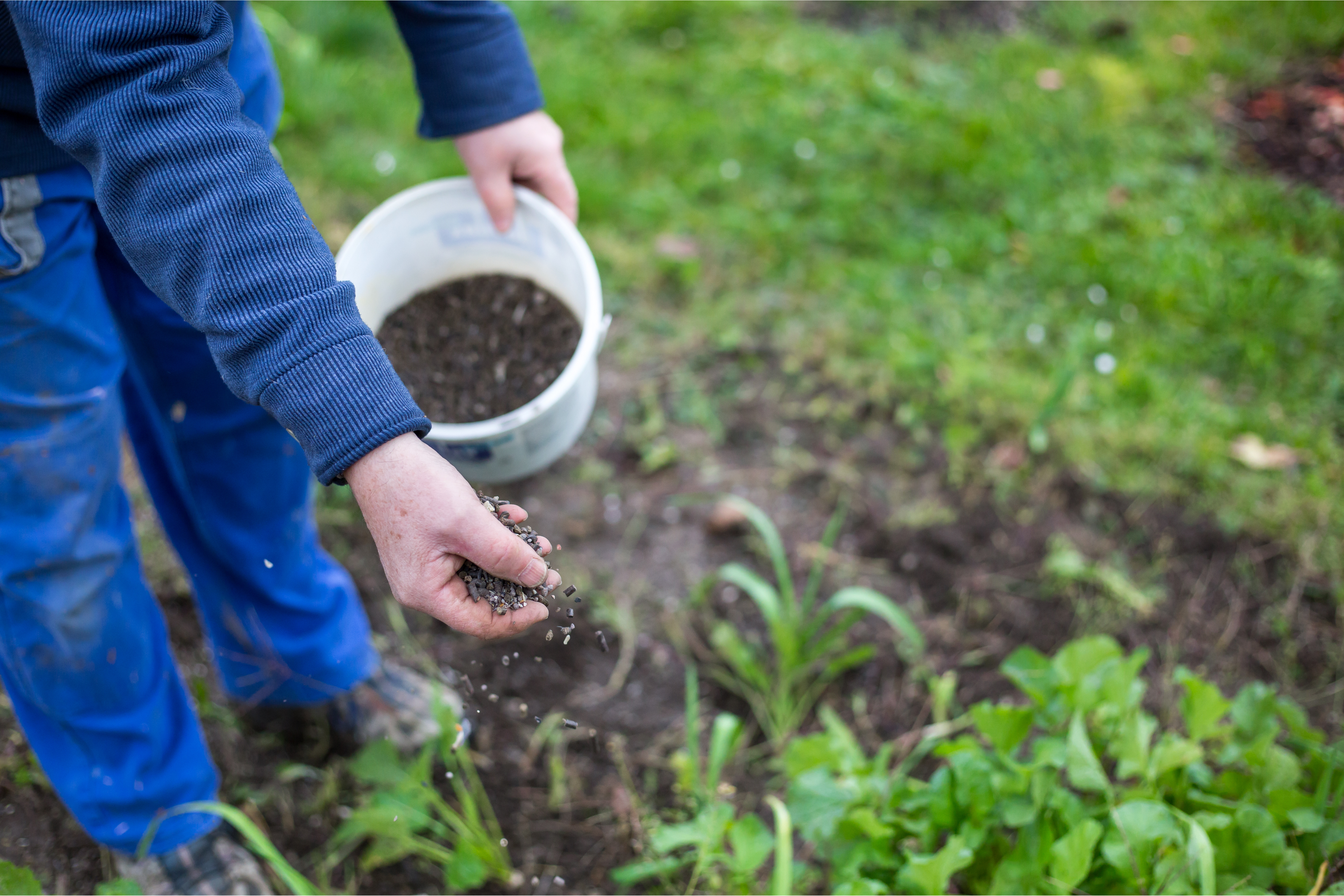

Why Choose Biogrowth Organics for Your Gardening Needs?


Science-Backed Nutrients for Your Greenest Garden Yet
Lab tested formulas that fuel growth, enhance soil and deliver unmatched results naturally


Vivid Liquid Organic Plant Vitamin for Flowers & Lawns


Catalyst Liquid Organic Plant Vitamin for Veggies & Fruits


Thrive Liquid Organic Plant Vitamin for Cannabis
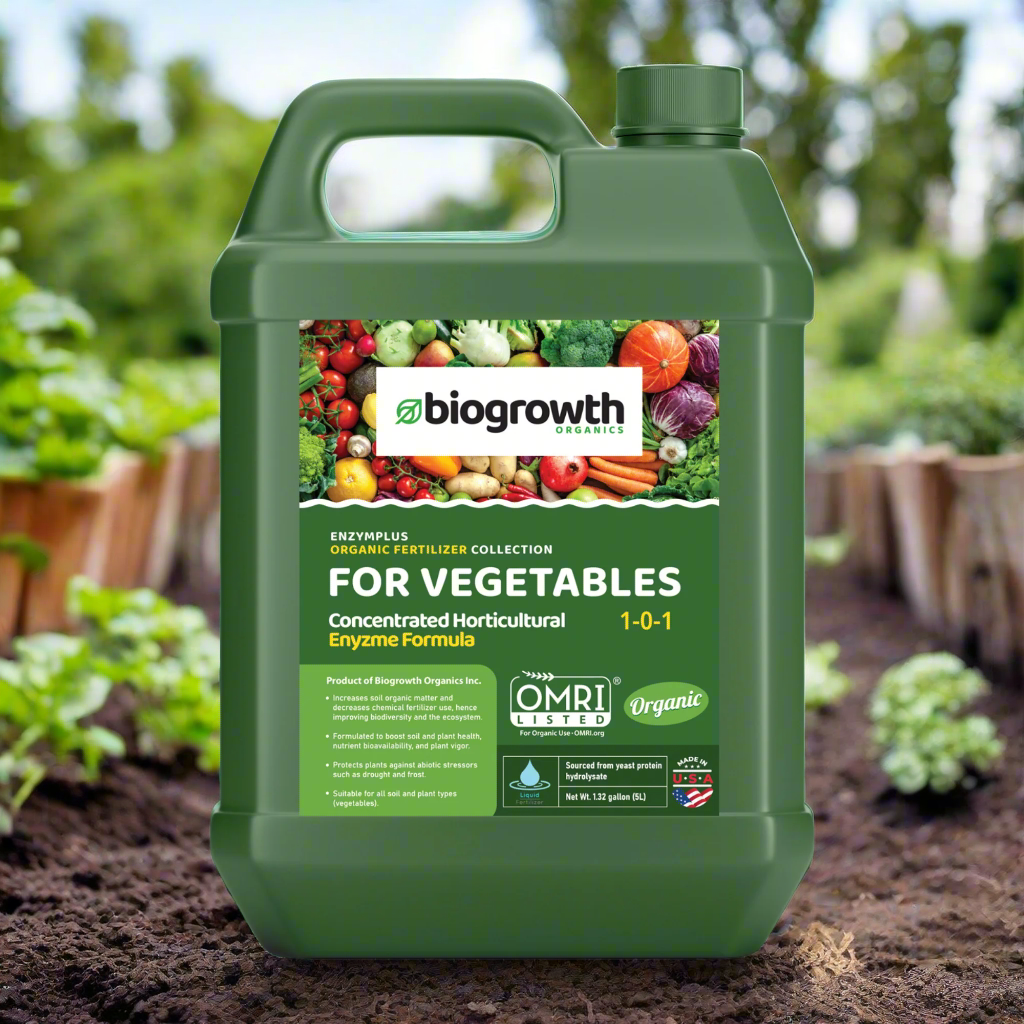
Why BioGrowth?
Revolutionizes plant care with cutting edge enzyme technology and microbial solutions that enrich soil, strengthen plants, and promote long-term sustainability. Whether you're an experienced farmer or a first-time gardener, BioGrowth simplifies the growing process of eliminating guesswork and reducing reliance on synthetic fertilizers and pesticides.
100% Organic & Eco-Friendly
100% Organic & Eco-Friendly
Made from natural, sustainable ingredients, BioGrowth nurtures plants while protecting the environment. It enhances biodiversity and soil fertility without harmful chemicals.
Science-Backed, No Guesswork Required
Science-Backed, No Guesswork Required
Powered by advanced enzyme technology and microbial blends, BioGrowth supercharges soil health and plant resilience. Yet, it’s designed for ease: no PhD required. Replace fertilizers, pesticides and boosters with one foolproof solution.
One Stop Solution, Every Gardener's Goal
One Stop Solution, Every Gardener's Goal
Forget juggling with multiple products. BioGrowth is a one-stop solution that supports plants at every stage making plant care simple, effective and accessible for growers of all levels.
Why We Stand Out ?
Why We Stand Out ?
“Empower Your Green Thumb, From Hobbyist to Pro." BioGrowth democratizes professional grade agricultural technology, making advanced gardening practices accessible to non professionals while enhancing efficacy and sustainability for seasoned growers.
Easy to Use. Minimal Effort, Maximum Growth.
Effortlessly enhances plant health with BioGrowth’s nutrient rich, easy to use formula. Our organic blend enriches the soil, fortifies roots, and supports sustainable growth, simplifying gardening while keeping it greener!
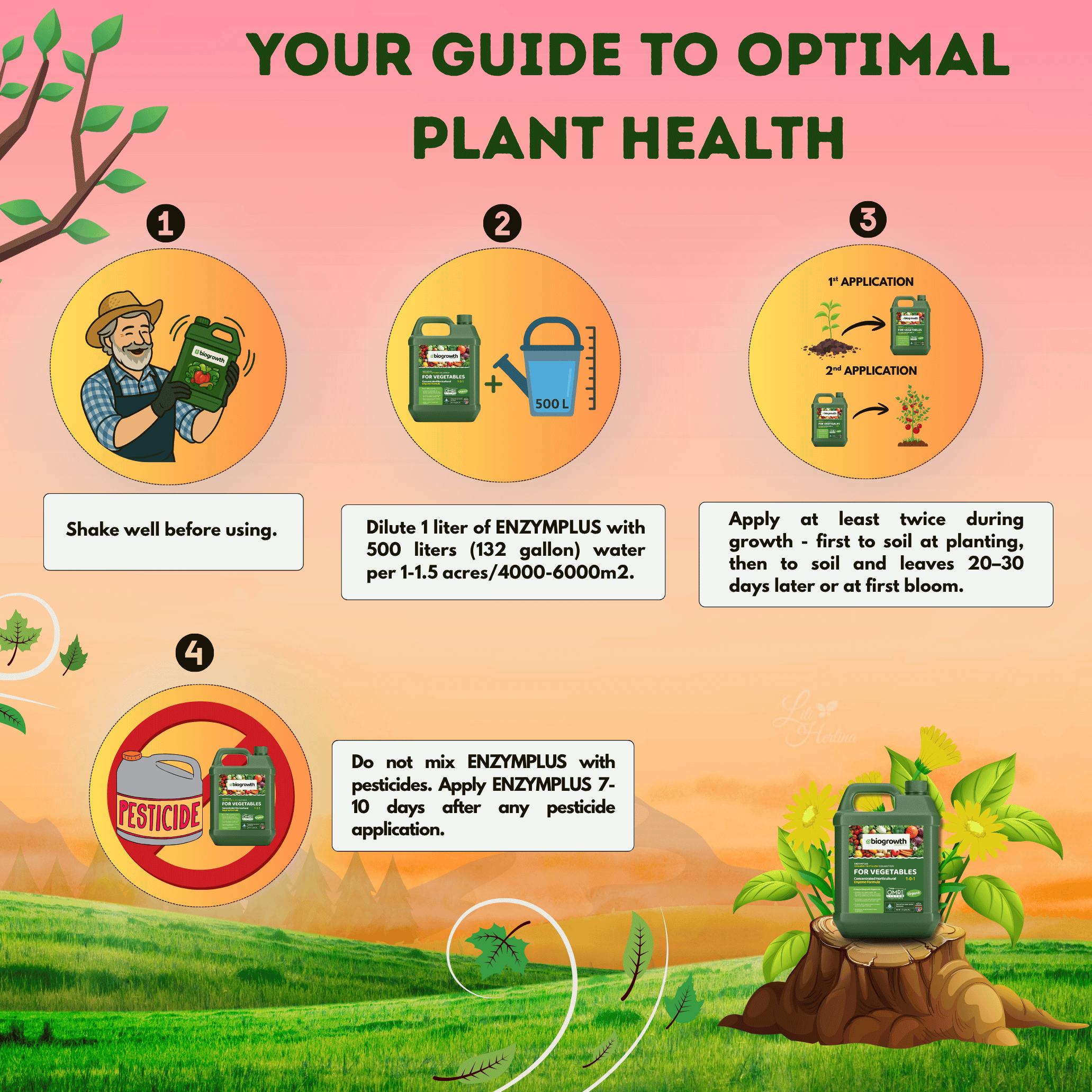
Shake Well
Shake the product well to ensure the ingredients are thoroughly mixed.
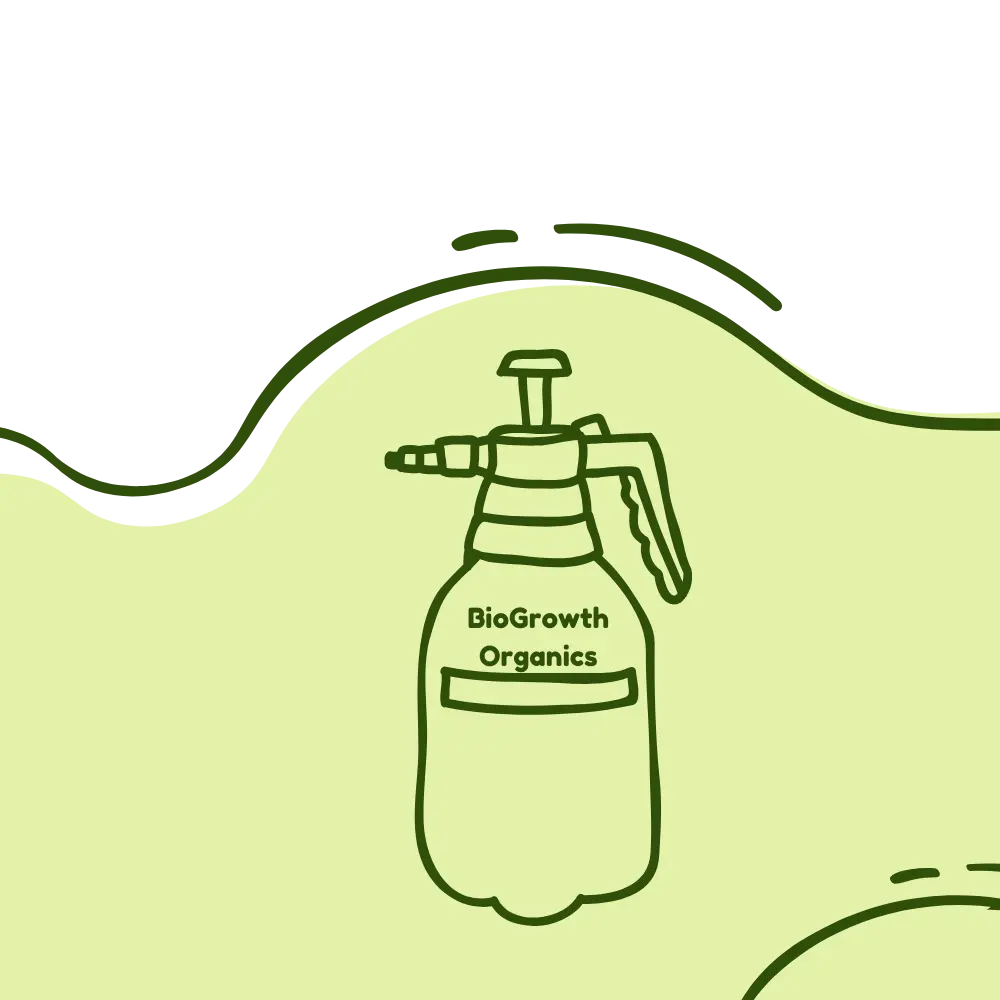
Mix with Water
Mix the suggested amount of fertilizer with water
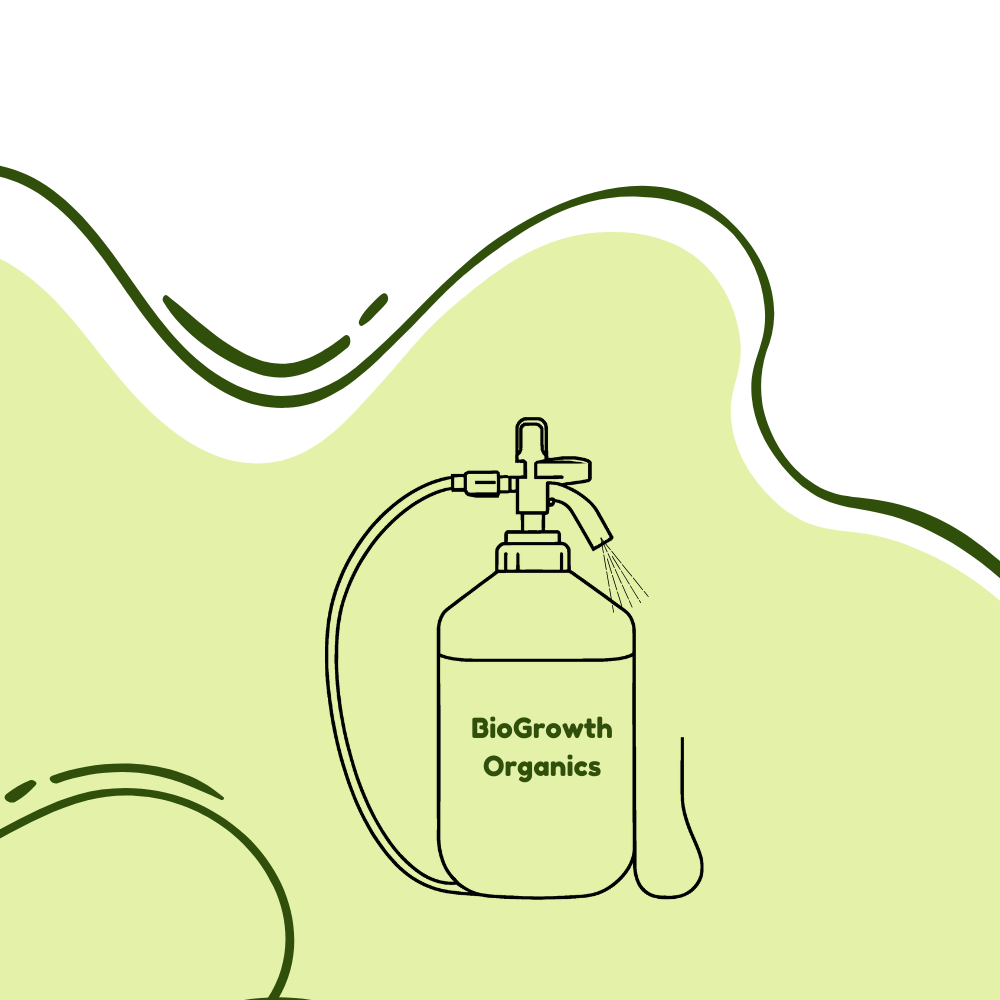
Spray and Nourish
Spray it on to soil every 10 - 14 days
Proof in Every Leaf: BioGrowth’s Impact in Action


Cultivating a Greener Future
Driven by a passion for sustainability and innovation, BioGrowth was founded by environmentalists and scientists dedicated to creating eco-friendly solutions for healthier plants and soils.
Hear From Happy Growers
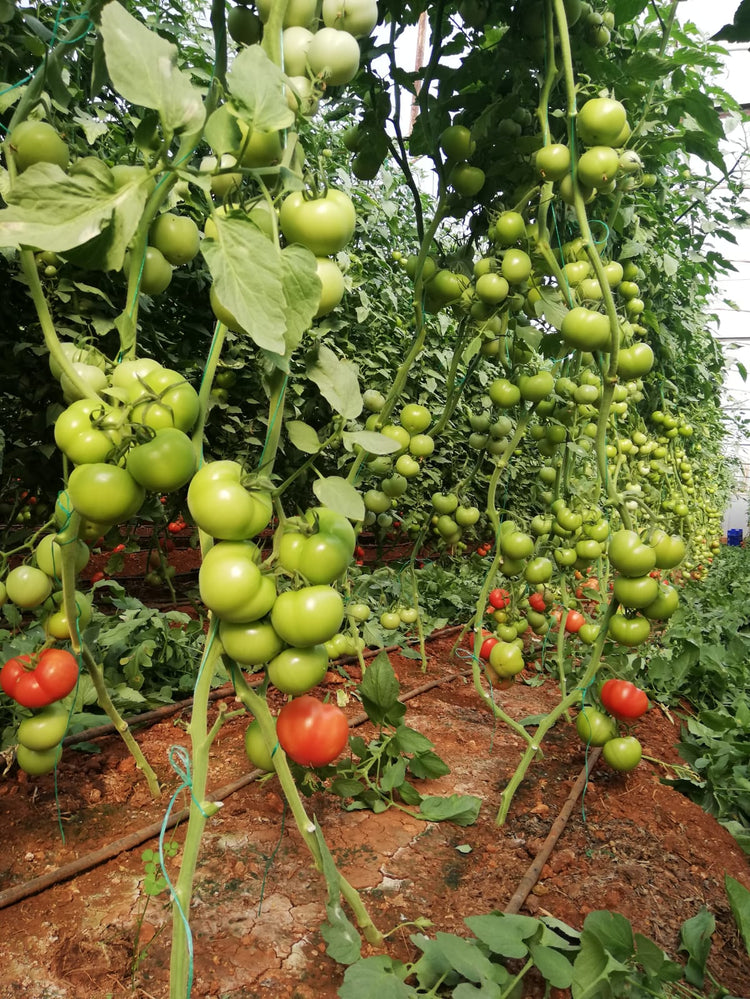
Sara
"I’ve been using Biogrowth products on my vegetable garden for two seasons now. Healthier soil, stronger plants, and no harsh chemicals. It’s made a huge difference!"
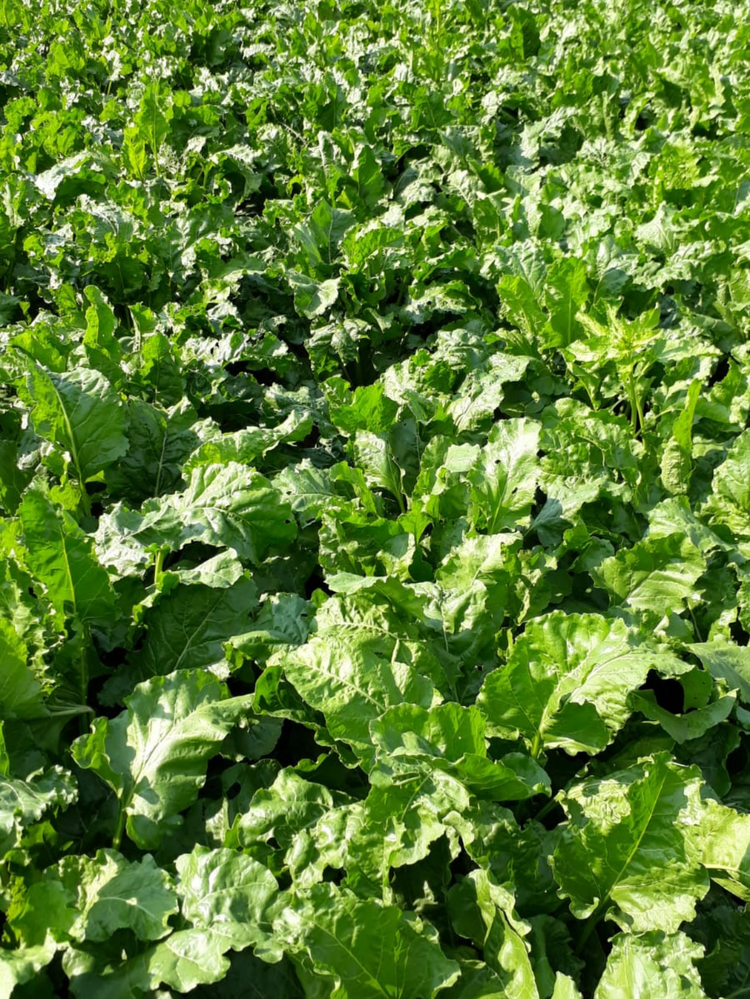
Jamal
"I was skeptical at first, but after switching to Biogrowth, my harvest was noticeably bigger and healthier."
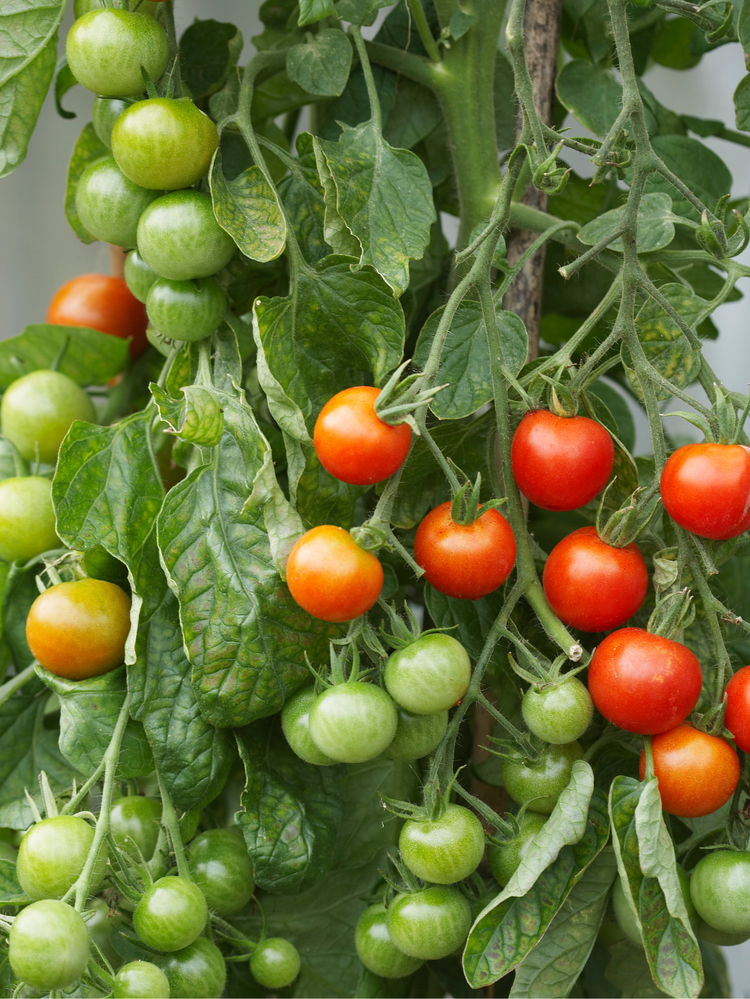
Miguel
"Easy to apply, eco-friendly, and you can actually see the results. My tomatoes have never looked this good — and I feel good knowing it’s all organic."

Rachel
"Finally found a product that improves the soil and supports healthy growth without all the synthetic junk. Love that it’s safe for my kids and pets too."

Marcus
"No more mixing six different bottles. This one does it all. My garden’s never been happier, and neither has my schedule."
🌍The BioGrowth Difference: "A Healthier Garden, A Greener Planet"

The Best Organic Fertilizers for Raised Beds: What to Use & When
Raised bed gardens are incredibly rewarding, they offer better drainage, improved soil control, and fewer weeds. But even the healthiest soil needs to be replenished. If your plants look pale, grow slowly, or just aren’t producing like they should, they may simply be hungry. That’s where organic fertilizers shine. These natural soil boosters don’t just feed plants, they feed the soil ecosystem, creating long-term fertility for a thriving garden season after season. In this guide, you’ll learn the best organic fertilizers for raised bed gardens, how they work, and the right time to use each one. Why Choose Organic Fertilizers for Raised Beds? Unlike synthetic fertilizers, which offer a quick nutrient dump, organic fertilizers release nutrients slowly and naturally. They also: Improve soil structure and moisture retention Encourage beneficial microbes Prevent nutrient burn Support pollinator-friendly, eco-safe gardening If you’re transitioning into natural gardening, this approach also pairs well with techniques from our blog “How to Improve Soil Health Naturally: Top 7 Organic Methods for Thriving Plants”, where soil-building is the foundation of long-term plant health. Top Organic Fertilizers That Work Wonders in Raised Beds 1. Compost – The Foundation of Healthy Soil Best for: All raised beds Use: Every season before planting Compost is the ultimate organic fertilizer for raised beds. It improves soil texture, boosts microbial life, and adds well-balanced nutrients. How to use: Spread 1–2 inches across the top and lightly mix in. 2. Worm Castings – The Gentle but Powerful Growth Booster Best for: Seedlings, herbs, greens Use: Every few weeks as a top dressing Worm castings contain low NPK numbers, but the nutrients are highly bioavailable. Even a small amount enhances root development and plant vigor. Tip: This is one of the safest fertilizers for young plants. 3. Bone Meal - For Strong Roots & Better Blooms Best for: Root crops, tomatoes, peppers Use: At planting time Bone meal is high in phosphorus, the nutrient responsible for strong root systems and flower/fruit production. Works best in: Slightly acidic to neutral soil. 4. Blood Meal – A Quick Nitrogen Boost Best for: Pale, stunted plants Use: Mid-season (only if needed) Blood meal offers fast, powerful nitrogen release, perfect for leafy greens like kale, lettuce, and spinach. Caution: Too much can burn plants. Apply sparingly. 5. Fish Emulsion - Fast-Acting Liquid Fertilizer Best for: Young plants, herbs, and transplants Use: Every 2 - 4 weeks This high-nutrient liquid fertilizer delivers a quick boost and supports lush foliage growth. Pro tip: Because of the strong smell, apply in the evening and water it in. 6. Rock Dust (Azomite, Basalt) – For Replenishing Trace Minerals Best for: Long-term soil health Use: Once or twice a season Rock dust doesn’t boost NPK much, but it restores essential trace minerals that raised beds often lose over time. Great for: Reviving tired or overworked soil. 7. Kelp Meal / Seaweed Extract – The Plant Immunity Booster Best for: Tomatoes, peppers, and stressed plants Use: Monthly (foliar spray or soil drench) Kelp fertilizers are rich in micronutrients and natural plant hormones that improve root growth, boost immunity, and help plants resist heat or drought. 8. Composted Chicken Manure – High-Powered Fertility Best for: Heavy feeders like squash, tomatoes, and corn Use: At soil prep or early season This “hot” fertilizer is rich in nitrogen and phosphorus but only uses fully composted manure to avoid burning plants. Quick Reference Chart Fertilizer Best For When to Use Compost All raised beds Beginning of each season Worm Castings Seedlings, greens Every few weeks Bone Meal Root crops, flowers At planting Blood Meal Pale or slow plants Mid-season only Fish Emulsion All veggies Every 2–4 weeks Rock Dust Long-term health Once per season Kelp Extract Fruiting crops Monthly Chicken Manure Heavy feeders Once or twice per season Tips for Using Organic Fertilizers in Raised Beds Mix granular fertilizers into the top 4 - 6 inches of soil. Always water well after application. Organic fertilizers work over time, consistency beats quantity. Rotate crops yearly to prevent nutrient depletion. Replenish compost annually for long-term fertility. Biogrowth Organics Products That Work Well in Raised Beds If you prefer ready-to-use liquid organic nutrients, Biogrowth Organics offers formulas that integrate perfectly with raised bed gardening: Vivid Liquid Organic Plant Vitamin Ideal for flowers, lawns, herbs, and veggies needing balanced nutrition during active growth. Catalyst Liquid Organic Plant Vitamin Excellent for fruiting vegetables like tomatoes, peppers, and squash, supports strong root systems and healthy yields.Use these as complementary feeding alongside compost or worm castings for a complete organic nutrition plan. Final Thoughts Feeding your raised beds with organic fertilizers isn’t just about boosting plant growth, it’s about creating soil that gets richer and more productive every year. With the right combination of compost, mineral supplements, slow-release fertilizers, and occasional liquid feedings, your raised bed garden will thrive season after season. Whether you’re growing greens on a patio or dozens of vegetables in a backyard setup, these organic fertilizers will help you grow stronger, healthier, more resilient plants. Frequently Asked Questions 1. How often should I fertilize raised bed gardens? Most raised beds benefit from adding compost at the start of each season, followed by light feedings every 2 - 4 weeks using liquid organic fertilizers like fish emulsion or kelp extract. Slow-release fertilizers such as bone meal or rock dust are typically added once per season. 2. What is the best fertilizer for beginner gardeners using raised beds? Compost and worm castings are the easiest and safest options. They improve soil health, won’t burn plants, and work for all vegetables, herbs, and flowers. 3. Is compost enough to fertilize raised beds? Compost is an excellent foundation, but raised beds lose nutrients more quickly due to better drainage. Adding targeted fertilizers like kelp extract for fruiting plants or rock dust for minerals helps maintain long-term fertility. 4. Can I mix different organic fertilizers together? Yes. Combining compost with worm castings, rock dust, and plant-based liquids creates a balanced nutrient profile. Just avoid layering too many high-nitrogen fertilizers (like blood meal + chicken manure) at the same time. 5. How do I know which fertilizer my raised bed needs? Look at plant symptoms: Pale leaves → Nitrogen deficiency (try blood meal or fish emulsion) Poor flowering or fruiting → Low phosphorus (bone meal helps) Slow growth after soil reuse → Mineral depletion (use rock dust) Soil testing once per year can also guide the right amendments. 6. Are organic fertilizers safe for kids, pets, and pollinators? Yes, organic fertilizers like compost, worm castings, and kelp meal are safe to use around families and wildlife. Just ensure manure-based products are fully composted. 7. Can I use Biogrowth Organics fertilizers in raised beds? Absolutely. Biogrowth products like Vivid Liquid Organic Plant Vitamin and Catalyst Liquid Organic Plant Vitamin work well as supplemental feedings alongside your regular compost or worm castings, especially during peak growing periods. 8. Do liquid fertilizers work better than granular fertilizers? They serve different purposes. Liquid fertilizers act fast and help with immediate nutrient needs. Granular fertilizers (bone meal, rock dust, compost) release nutrients slowly and support long-term soil health. Using both provides the best balance. 9. When should I avoid fertilizing raised beds? Avoid fertilizing during extreme heat, drought, or when plants are wilting from stress. Fertilizer may worsen the stress. Instead, water deeply and wait for plants to recover before feeding. 10. Can I over-fertilize raised beds with organic products? Yes, especially with nitrogen-heavy amendments like blood meal or chicken manure. Organic doesn’t always mean “mild,” so follow recommended amounts and observe plant reactions after feeding.
Read Blog
10 Compelling Reasons to Start a Raised Bed Garden Today
Transform your space with raised-bed gardening. Discover 10 powerful benefits, organic tips, and how to get started the smart way. Why Raised Bed Gardening Is the Smart Choice If you’ve been wanting to grow your own food, herbs, or blooms but feel limited by space or poor soil, raised-bed gardening may be exactly what you need. With a raised bed you can skip over the frustrations of conventional garden plots and gain more control, less maintenance, and better results. Whether you’re working in a small backyard or simply want a cleaner, more productive garden this season, here are ten compelling reasons to start a raised-bed garden today. 1. Better Soil Means Better Plants In a raised bed, you get to control your soil from the start. You’re not stuck with hard clay, sandy subsoil, or nutrient-poor dirt. Instead you can create a rich, loamy mix that supports healthy roots, vigorous growth, and plentiful harvests. Using high-quality organic amendments ensures your plants thrive and if you want an extra boost, a product like Enzymplus Liquid Organic Fertilizer can support root development and nutrient uptake. 2. Improved Drainage Raised beds drain more efficiently than in-ground plots. That means fewer soggy roots, less risk of waterlogging, and less stress for your plants during heavy rain. Whether you’re growing vegetables, herbs, or flowers, that extra drainage makes a noticeable difference. 3. Fewer Weeds, Less Work Because you’re starting fresh, often with fresh soil or amended mix, you begin with fewer weed seeds and less competition. Plus the confined edges of a raised bed make spotting and removing weeds quicker and easier. 4. Reduced Pest & Soil-Disease Pressure Raised beds help elevate your plants above some soil-borne pests and diseases. Ground-level weeds or slugs have less easy access, and you’re less likely to suffer from the cumulative buildup of old soil-borne pathogen issues. It becomes easier to keep your garden healthy. 5. An Extended Growing Season The soil in raised beds warms up faster in spring and stays warmer into autumn. That means you can plant earlier and harvest later, giving you more time to enjoy home-grown vegetables, herbs, or flowers each year. 6. Easier on Your Back & Knees No more deep bending or kneeling for hours. A raised bed offers an elevated garden surface, which is ideal if you have limited mobility, are aiming for ergonomic gardening, or simply want a more comfortable gardening experience. 7. Perfect for Small Spaces & Urban Plots You don’t need acres to grow successfully. Raised beds are ideal for patios, rooftops, small yards, even balconies (with smaller boxes). They’re compact, efficient, and designed for gardens where space is at a premium. 8. Tidy, Structured Layout Raised beds give your garden structure and clarity. You can clearly define plant spacing, rotation zones, and walking paths. The result: a more manageable, organized garden that not only performs well but looks good too. 9. More Productive Per Square Foot Because you’re raising the soil quality, improving drainage and reducing competition, raised beds often yield more in less space. You can plant intensively, use square-foot gardening techniques, and get more from each square foot of garden. 10. Eco-Friendly, Sustainable Gardening When you grow your own food or flowers in a raised bed you reduce reliance on store-bought produce, cut down on packaging and transport, and foster local biodiversity. Adding compost, using organic nutrients, and recycling garden waste help make your garden part of a greener lifestyle. Want to boost soil vitality organically? Check out the enzyme-rich formula of Catalyst Liquid Organic Plant Vitamin for Veggies & Fruits from Biogrowth Organics, it’s designed with sustainability in mind. Getting Started: Simple Steps for Success Choose your site: Full sun (6–8 hours), flat ground, easy access to water. Build your bed: 3 - 4 ft wide is ideal for reach; depth of 12–18 inches or more if you grow root crops. Fill with a rich soil mix: For example 60% quality topsoil + 30% compost + 10% perlite or vermiculite. Install a weed barrier: Cardboard or newspaper layer at the bottom helps suppress weeds. Mulch and irrigate: Add 2–3 inches of organic mulch; keep watering convenient. Plant smart: Space plants properly, support tall or vining crops, and rotate crops each season. Maintain regularly: Weed, water, feed organic nutrients, monitor for pests/disease. For more detail on soil health check our blog “How to Improve Soil Health Naturally: Top 7 Organic Methods for Thriving Plants”. Why Organic Plant Nutrition Matters Growing in raised beds gives you a head-start but you still want to feed plants the right way. Organic treatments help maintain soil life, encourage microbial activity, and support plant resilience. For example: Use the enzyme-rich Biogrowth Catalyst for vegetables and fruits Biogrowth Organics Encourage soil microbes and build long-term soil biology rather than relying on synthetic inputs. This approach aligns with our earlier reading from “Top 5 Organic Gardening Mistakes (And How to Avoid Them)”, where we emphasised the importance of avoiding over-synthetic approaches and nurturing soil life. Ready to Plant? Whether you’re dreaming of juicy tomatoes, handfuls of herbs, or vibrant blooms, a raised-bed garden can get you there faster and with less fuss. With more control, better drainage, less weeds and more yield there’s no reason to wait. Start today and watch your garden, your soil, and your harvest thrive. Frequently Asked Questions Q: What is a raised bed garden? A raised bed garden is a type of gardening setup where plants are grown in soil that’s elevated above the ground, usually in a contained structure made of wood, metal, or stone. This method gives you better control over soil quality, drainage, and plant spacing. Q: What are the main benefits of raised bed gardening? Raised bed gardening improves soil health, enhances drainage, reduces weeds, minimizes pest issues, and allows for higher yields in smaller spaces. It’s also easier on your back and ideal for small or urban gardens. Q: How deep should a raised bed be? Most raised beds are between 6 to 12 inches deep, but deeper beds (up to 18 inches) are better for root crops like carrots and potatoes. The ideal depth depends on what you plan to grow and the condition of the soil underneath. Q: What soil mix is best for raised bed gardens? A good mix includes compost, topsoil, and organic matter in roughly equal parts. To boost plant nutrition naturally, consider adding Biogrowth Organics Vivid Liquid Organic Plant Vitamin, it enriches soil microbes and supports healthy root development. Q: Do raised beds require a lot of maintenance? No, raised beds actually reduce maintenance! With fewer weeds, controlled soil quality, and improved drainage, you’ll spend less time on upkeep and more time enjoying your garden. Q: Can I use raised beds for vegetables and herbs? Absolutely. Raised beds are perfect for growing vegetables, herbs, and even flowers. You can rotate crops seasonally and maintain soil fertility using organic fertilizers like Biogrowth Organics Catalyst for veggies and fruits. Q: How can I start a raised bed garden at home? Start by choosing a sunny spot, building or buying a raised bed frame, filling it with a nutrient-rich soil mix, and watering thoroughly. Begin with easy plants like lettuce, tomatoes, or basil. Q: Do raised beds help with drainage issues? Yes. Raised beds allow excess water to drain naturally, preventing waterlogging and root rot, especially beneficial in regions with heavy rainfall. Q: How can I improve soil health in a raised bed over time? Add compost regularly, rotate crops each season, and feed the soil with organic plant vitamins such as Biogrowth Organics Thrive to replenish nutrients naturally and keep the soil ecosystem active. Q: Can raised bed gardening be eco-friendly? Definitely. By composting, reducing water waste, and using organic fertilizers, raised bed gardening supports a sustainable lifestyle while reducing your environmental footprint.
Read Blog
Common Raised Bed Garden Mistakes Beginners Make and How to Avoid Them
Starting a raised bed garden can be one of the most rewarding decisions a home gardener makes. But even a well-built bed can underperform if a few common mistakes go unchecked. Don’t worry, these are totally fixable once you know what to watch out for. Below are ten frequent raised bed gardening blunders and how to steer clear of them so your garden thrives from day one. 1. Choosing the Wrong Location The Mistake: Placing your raised bed in a shady spot or in a low-lying area where water pools. Why It Matters: Most vegetables and herbs need about 6–8 hours of direct sunlight for strong growth. Low ground can lead to poor drainage, soggy roots, and disease. How to Avoid It: Observe how sunlight and shade move across your yard during the day. Avoid spots shaded by fences, trees or buildings. Choose flat, well-drained ground for best results. 2. Using a Poor Soil Mix The Mistake: Filling the bed with random garden soil or only a bagged topsoil mix. Why It Matters: Plants need a nutrient-rich, well-draining medium. Poor soil means slow growth, weak roots and lower yields. How to Avoid It: Use a dedicated raised bed soil blend or make your own: 60% topsoil 30% compost 10% perlite or vermiculite Mix thoroughly before planting For added support, supplement with a microbial-rich nutrients like Biogrowth Organics Catalyst Liquid Organic Plant Vitamin for Veggies & Fruits. 3. Making Beds Too Wide The Mistake: Designing a bed that’s too wide to comfortably reach across, leading you to step into it. Why It Matters: Stepping into the bed compresses soil, which hampers drainage and root development. How to Avoid It: Keep raised beds no wider than about 4 ft (ideally 3 ft for shorter arms) Ensure you can reach the centre without stepping inside. 4. Skipping a Weed Barrier The Mistake: Placing your raised bed directly on grass or bare soil without any barrier. Why It Matters: Existing weeds or grasses can invade the bed, and once established they’re difficult to control. How to Avoid It: Line the base with cardboard or several layers of newspaper before adding soil. This suppresses weeds and decomposes naturally over time. 5. Failing to Plan for Water Access The Mistake: Positioning the bed far away from a hose or water source. Why It Matters: If watering is inconvenient, you’re less likely to stay consistent, especially in hot weather when plants need it most. How to Avoid It: Locate your bed near a tap or hose connection. Consider setting up a simple drip irrigation system or rain barrel nearby. 6. Over-Crowding Plants The Mistake: Filling every available inch of space with plants and ignoring proper spacing. Why It Matters: Overcrowded plants compete for nutrients, have poor airflow, and are more prone to disease and smaller harvests. How to Avoid It: Follow seed packet or plant tag spacing guidelines. Use a square-foot gardening approach to plan layout and space efficiently. 7. Not Providing Support for Tall or Vining Plants The Mistake: Planting vining crops like cucumbers, beans or tomatoes without trellises or stakes. Why It Matters: These plants sprawl across the bed, shade shorter plants, and collapse under their own weight without support. How to Avoid It: Install cages, stakes or trellises at the time of planting. Place tall or climbing plants on the north or west side so they don’t shade smaller crops. 8. Forgetting to Mulch The Mistake: Leaving bare soil around plants after planting. Why It Matters: Bare soil dries out quickly, encourages weeds and experiences greater temperature swings, all of which stress plants. How to Avoid It: Add 2–3 inches of organic mulch (straw, shredded leaves or bark) around plants. Mulch retains moisture, suppresses weeds and adds nutrients as it decomposes. 9. Neglecting Regular Maintenance The Mistake: Assuming raised beds are “set it and forget it.” Why It Matters: Even the best set-up needs regular care - watering, feeding, weeding and pest control to stay productive. How to Avoid It: Inspect your beds 2–3 times per week Remove weeds while small Look for early signs of pests or disease and act promptly Consider using a vitality-boosting liquid like Biogrowth Vivid Liquid Organic Plant Vitamin for Flowers & Lawns to help plants resist stress. 10. Re-using Soil Without Replenishing It The Mistake: Using the same soil year after year without adding nutrients or rotating crops. Why It Matters: Over time, nutrients deplete and soil structure suffers, leading to weaker plants and lower yields. How to Avoid It: At the start of each season mix in fresh compost or organic fertilizer. Rotate crops (e.g., don’t plant tomatoes in the same spot year after year) Enrich the bed using Biogrowth Enzymplus Liquid Organic Fertilizer to support microbial activity and rebuild soil health. Putting It All Together Mistakes are part of every gardener’s journey but most of the common raised bed errors are simple to avoid with a little planning and awareness. Choose your site wisely, fill with quality soil, space plants correctly, mulch well, and don’t skip maintenance. You’ll be on the path to a thriving, productive raised bed garden. And don’t forget to enjoy the process of watching your garden grow as part of the reward. Frequently Asked Questions Q: What is the best soil mix for raised bed gardening? The ideal raised bed soil mix is about 60% topsoil, 30% compost, and 10% perlite or vermiculite. This combination ensures proper drainage, aeration, and nutrient availability for healthy plant growth. You can also enhance the soil using organic fertilizers like Biogrowth Organics Enzymplus Liquid Organic Fertilizer for long-term fertility. Q: How deep should a raised bed be for vegetables? Most vegetables thrive in beds that are 10 - 12 inches deep, though deeper beds (up to 18 inches) are ideal for root crops like carrots or potatoes. A deeper bed allows roots to spread easily and improves drainage. Q: Do raised beds need a weed barrier? Yes, adding a weed barrier (like cardboard or newspaper) at the bottom helps prevent weeds and grass from growing up into your raised bed. It also decomposes naturally, enriching the soil over time. Q: How often should I water a raised bed garden? Raised beds dry out faster than in-ground gardens. Generally, you’ll need to water every 1–2 days during hot weather and less frequently during cooler months. Installing a drip irrigation system or using a nearby rain barrel can make watering easier and more sustainable. Q: Can I reuse raised bed soil every year? Yes, but it’s important to replenish the soil each season by mixing in compost or an organic fertilizer. Over time, nutrients deplete, so refreshing the soil helps maintain healthy plant growth. Using Biogrowth Catalyst Liquid Organic Plant Vitamin for Veggies & Fruits can also boost nutrient availability naturally. Q: What should not be planted in a raised bed? Avoid large, deep-rooted trees or shrubs that can outgrow the space and compete for nutrients. Instead, focus on compact or medium-sized vegetables, herbs, and flowers suited for raised bed conditions. Q: Why is my raised bed soil compacting over time? Soil compaction often happens if you step into the bed or don’t add enough organic matter. To fix this, add compost yearly and avoid walking on the soil. Compost improves structure, encourages beneficial microbes, and keeps soil fluffy and well-drained. Q: Should I mulch my raised bed garden? Absolutely! A 2–3 inch layer of organic mulch (straw, shredded leaves, or bark) helps retain moisture, reduce weeds, and regulate soil temperature. Mulching is one of the easiest ways to boost garden productivity naturally.
Read Blog