

Raised bed gardens are incredibly rewarding, they offer better drainage, improved soil control, and fewer weeds. But even the healthiest soil needs to be replenished. If your plants look pale, grow slowly, or just aren’t producing like they should, they may simply be hungry.
That’s where organic fertilizers shine. These natural soil boosters don’t just feed plants, they feed the soil ecosystem, creating long-term fertility for a thriving garden season after season.
In this guide, you’ll learn the best organic fertilizers for raised bed gardens, how they work, and the right time to use each one.
Why Choose Organic Fertilizers for Raised Beds?
Unlike synthetic fertilizers, which offer a quick nutrient dump, organic fertilizers release nutrients slowly and naturally. They also:
- Improve soil structure and moisture retention
- Encourage beneficial microbes
- Prevent nutrient burn
- Support pollinator-friendly, eco-safe gardening
If you’re transitioning into natural gardening, this approach also pairs well with techniques from our blog “How to Improve Soil Health Naturally: Top 7 Organic Methods for Thriving Plants”, where soil-building is the foundation of long-term plant health.
Top Organic Fertilizers That Work Wonders in Raised Beds
1. Compost – The Foundation of Healthy Soil
Best for: All raised beds
Use: Every season before planting
Compost is the ultimate organic fertilizer for raised beds. It improves soil texture, boosts microbial life, and adds well-balanced nutrients.
How to use: Spread 1–2 inches across the top and lightly mix in.
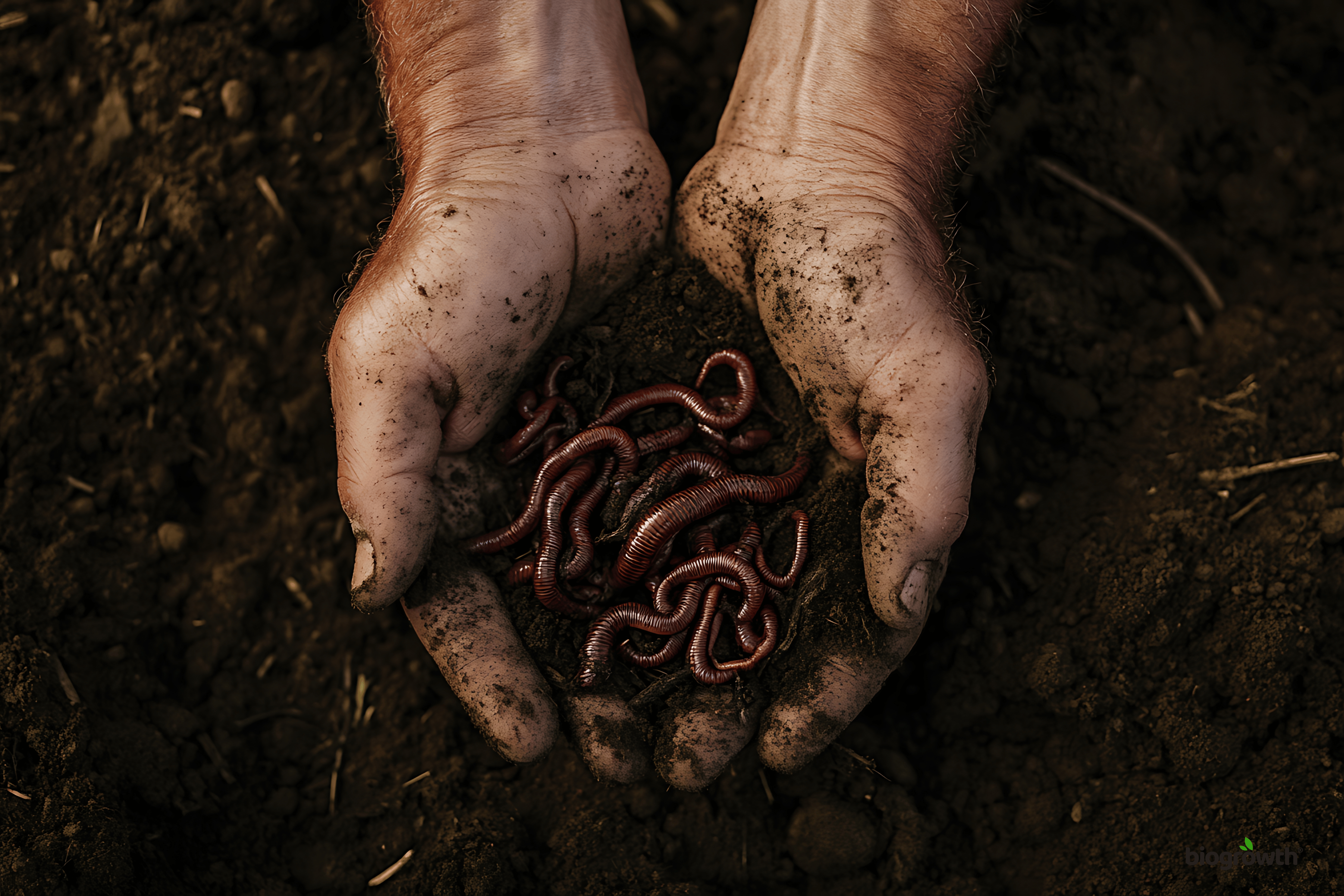
2. Worm Castings – The Gentle but Powerful Growth Booster
Best for: Seedlings, herbs, greens
Use: Every few weeks as a top dressing
Worm castings contain low NPK numbers, but the nutrients are highly bioavailable. Even a small amount enhances root development and plant vigor.
Tip: This is one of the safest fertilizers for young plants.
3. Bone Meal - For Strong Roots & Better Blooms
Best for: Root crops, tomatoes, peppers
Use: At planting time
Bone meal is high in phosphorus, the nutrient responsible for strong root systems and flower/fruit production.
Works best in: Slightly acidic to neutral soil.
4. Blood Meal – A Quick Nitrogen Boost
Best for: Pale, stunted plants
Use: Mid-season (only if needed)
Blood meal offers fast, powerful nitrogen release, perfect for leafy greens like kale, lettuce, and spinach.
Caution: Too much can burn plants. Apply sparingly.
5. Fish Emulsion - Fast-Acting Liquid Fertilizer
Best for: Young plants, herbs, and transplants
Use: Every 2 - 4 weeks
This high-nutrient liquid fertilizer delivers a quick boost and supports lush foliage growth.
Pro tip: Because of the strong smell, apply in the evening and water it in.
6. Rock Dust (Azomite, Basalt) – For Replenishing Trace Minerals
Best for: Long-term soil health
Use: Once or twice a season
Rock dust doesn’t boost NPK much, but it restores essential trace minerals that raised beds often lose over time.
Great for: Reviving tired or overworked soil.
7. Kelp Meal / Seaweed Extract – The Plant Immunity Booster
Best for: Tomatoes, peppers, and stressed plants
Use: Monthly (foliar spray or soil drench)
Kelp fertilizers are rich in micronutrients and natural plant hormones that improve root growth, boost immunity, and help plants resist heat or drought.
8. Composted Chicken Manure – High-Powered Fertility
Best for: Heavy feeders like squash, tomatoes, and corn
Use: At soil prep or early season
This “hot” fertilizer is rich in nitrogen and phosphorus but only uses fully composted manure to avoid burning plants.
Quick Reference Chart
|
Fertilizer |
Best For |
When to Use |
|
Compost |
All raised beds |
Beginning of each season |
|
Worm Castings |
Seedlings, greens |
Every few weeks |
|
Bone Meal |
Root crops, flowers |
At planting |
|
Blood Meal |
Pale or slow plants |
Mid-season only |
|
Fish Emulsion |
All veggies |
Every 2–4 weeks |
|
Rock Dust |
Long-term health |
Once per season |
|
Kelp Extract |
Fruiting crops |
Monthly |
|
Chicken Manure |
Heavy feeders |
Once or twice per season |
Tips for Using Organic Fertilizers in Raised Beds
- Mix granular fertilizers into the top 4 - 6 inches of soil.
- Always water well after application.
- Organic fertilizers work over time, consistency beats quantity.
- Rotate crops yearly to prevent nutrient depletion.
- Replenish compost annually for long-term fertility.
Biogrowth Organics Products That Work Well in Raised Beds
If you prefer ready-to-use liquid organic nutrients, Biogrowth Organics offers formulas that integrate perfectly with raised bed gardening:
Vivid Liquid Organic Plant Vitamin
Ideal for flowers, lawns, herbs, and veggies needing balanced nutrition during active growth.
Catalyst Liquid Organic Plant Vitamin
Excellent for fruiting vegetables like tomatoes, peppers, and squash, supports strong root systems and healthy yields.Use these as complementary feeding alongside compost or worm castings for a complete organic nutrition plan.
Final Thoughts
Feeding your raised beds with organic fertilizers isn’t just about boosting plant growth, it’s about creating soil that gets richer and more productive every year. With the right combination of compost, mineral supplements, slow-release fertilizers, and occasional liquid feedings, your raised bed garden will thrive season after season.
Whether you’re growing greens on a patio or dozens of vegetables in a backyard setup, these organic fertilizers will help you grow stronger, healthier, more resilient plants.
Frequently Asked Questions
1. How often should I fertilize raised bed gardens?
Most raised beds benefit from adding compost at the start of each season, followed by light feedings every 2 - 4 weeks using liquid organic fertilizers like fish emulsion or kelp extract. Slow-release fertilizers such as bone meal or rock dust are typically added once per season.
2. What is the best fertilizer for beginner gardeners using raised beds?
Compost and worm castings are the easiest and safest options. They improve soil health, won’t burn plants, and work for all vegetables, herbs, and flowers.
3. Is compost enough to fertilize raised beds?
Compost is an excellent foundation, but raised beds lose nutrients more quickly due to better drainage. Adding targeted fertilizers like kelp extract for fruiting plants or rock dust for minerals helps maintain long-term fertility.
4. Can I mix different organic fertilizers together?
Yes. Combining compost with worm castings, rock dust, and plant-based liquids creates a balanced nutrient profile. Just avoid layering too many high-nitrogen fertilizers (like blood meal + chicken manure) at the same time.
5. How do I know which fertilizer my raised bed needs?
Look at plant symptoms:
- Pale leaves → Nitrogen deficiency (try blood meal or fish emulsion)
- Poor flowering or fruiting → Low phosphorus (bone meal helps)
- Slow growth after soil reuse → Mineral depletion (use rock dust)
Soil testing once per year can also guide the right amendments.
6. Are organic fertilizers safe for kids, pets, and pollinators?
Yes, organic fertilizers like compost, worm castings, and kelp meal are safe to use around families and wildlife. Just ensure manure-based products are fully composted.
7. Can I use Biogrowth Organics fertilizers in raised beds?
Absolutely. Biogrowth products like Vivid Liquid Organic Plant Vitamin and Catalyst Liquid Organic Plant Vitamin work well as supplemental feedings alongside your regular compost or worm castings, especially during peak growing periods.
8. Do liquid fertilizers work better than granular fertilizers?
They serve different purposes.
- Liquid fertilizers act fast and help with immediate nutrient needs.
- Granular fertilizers (bone meal, rock dust, compost) release nutrients slowly and support long-term soil health.
Using both provides the best balance.
9. When should I avoid fertilizing raised beds?
Avoid fertilizing during extreme heat, drought, or when plants are wilting from stress. Fertilizer may worsen the stress. Instead, water deeply and wait for plants to recover before feeding.
10. Can I over-fertilize raised beds with organic products?
Yes, especially with nitrogen-heavy amendments like blood meal or chicken manure. Organic doesn’t always mean “mild,” so follow recommended amounts and observe plant reactions after feeding.


