

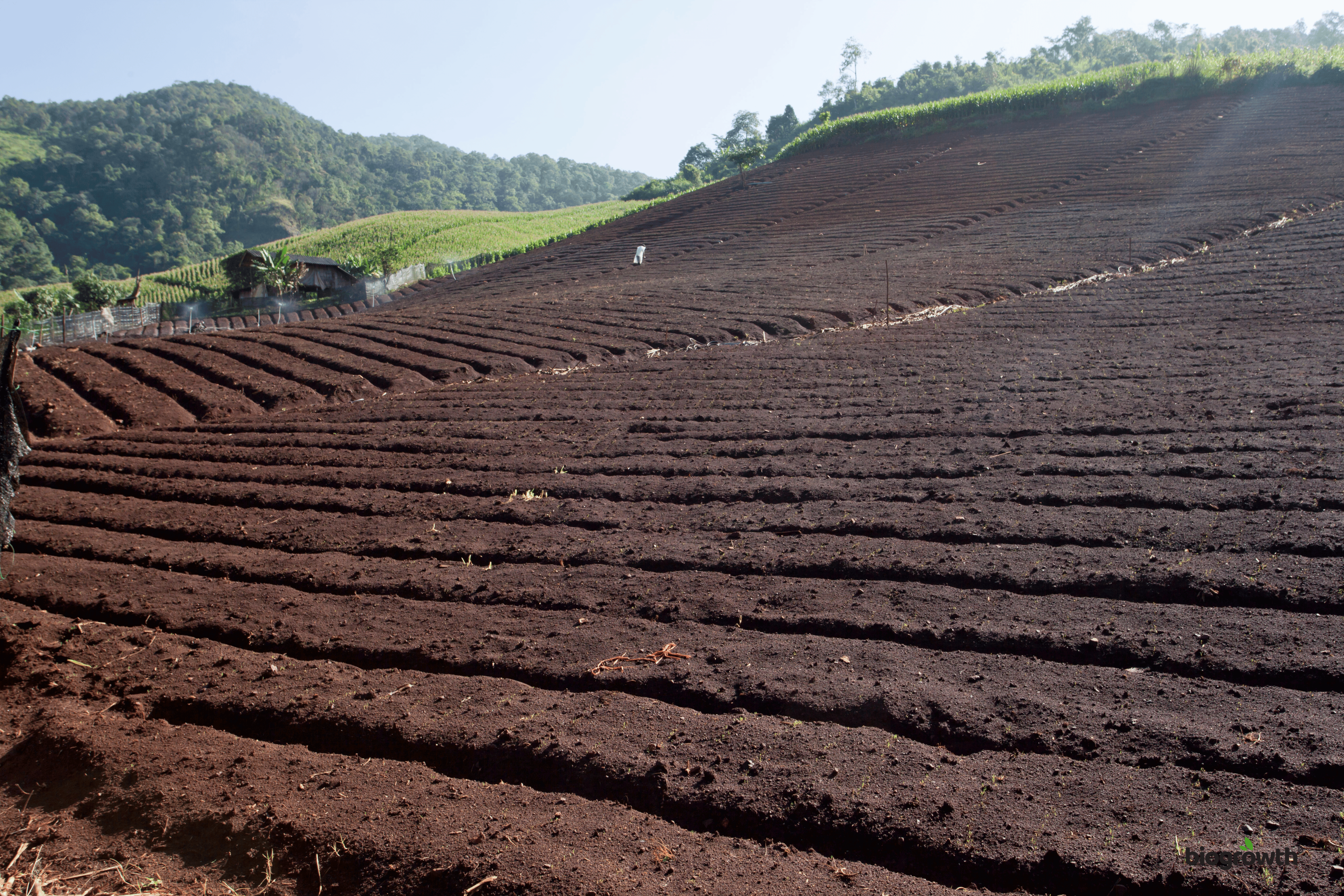
Are you dreaming of a lush backyard oasis or a bountiful vegetable harvest? Whether you are planting vibrant flowers or homegrown produce, the secret to success isn't just in the seeds - it's in the foundation.
For beginners, soil preparation can feel like a daunting task, but it is the single most important step you can take. Think of your soil as a living ecosystem; when you feed the soil, the soil feeds your plants. Here is how to transform any patch of dirt into a nutrient-rich environment using sustainable, organic practices.
Why Soil Health is the Foundation of Your Garden
Healthy plants don't just happen by accident. Soil provides the essential "Big Three": nutrients, water retention, and structural support. If you start with poor, compacted, or nutrient-depleted earth, you’ll likely face stunted growth, increased pest attacks, and disappointing yields. By investing time in soil prep now, you are ensuring a resilient garden that requires less intervention later.
Essential Tools for Garden Preparation
Before you dig in, gather these basic supplies:
- A sturdy shovel or garden fork: For loosening compacted earth.
- Steel Rake: To level the surface and remove debris.
- Organic Matter: High-quality compost or leaf mold.
- Soil Test Kit: To understand your starting point.
- Biogrowth Organics Soil Boosters: To optimize fertility and structure.
Step-by-Step: How to Prep Your Soil Like a Pro
1. Choose and Clear Your Growing Zone
Location is everything. Most vegetables and flowering plants require 6–8 hours of sunlight daily. Ensure your chosen spot has good drainage; if water puddles there for hours after rain, you may need to consider raised beds.
Action: Clear away all weeds, grass, and large stones. Be sure to pull the roots of perennial weeds to prevent them from stealing nutrients from your new plants.
2. Test Your Soil pH and Nutrients
A simple soil test kit will reveal your pH levels (aim for a "sweet spot" of 6.0 to 7.0). If your soil feels "dead" or overly compacted, it may lack the biological activity needed for plant success.
Pro Tip: Understanding your soil type is the first step in sustainable gardening practices that ensure long-term health rather than a quick, synthetic fix.
3. Loosen the Earth for Better Aeration
Plants need to breathe. Use a garden fork to turn the soil to a depth of 8–12 inches. This process:
- Breaks up heavy clay.
- Improves drainage.
- Allows young roots to penetrate deep into the ground effortlessly.
4. Amend with Organic Matter and Enzymes
This is where the magic happens. Spread a 2–4 inch layer of organic compost over your garden bed. To truly supercharge the biological health of your dirt, this is the ideal time to apply Enzymplus Liquid Organic Fertilizer.
Unlike standard fertilizers, Enzymplus focuses on enhancing soil fertility and structure. Its enzyme-enhanced formula helps break down organic matter faster, making nutrients more "bioavailable" for the seeds you are about to plant.
5. Level, Rake, and Smooth
Use your rake to level the bed. Removing large clumps and smoothing the surface ensures that when you sow your seeds, they sit at a uniform depth and receive even hydration.
6. Let the Soil "Melt"
If time allows, let your prepared bed sit for a week before planting. This allows the organic amendments to begin integrating. Once you are ready to plant, you can tailor your approach based on what you’re growing:
For Veggies & Fruits: Apply Catalyst to ensure abundant harvests and rich flavors.
For Flowers & Lawns: Use Vivid to nourish stunning blossoms and strengthen roots.
Expert Tips for Long-Term Success
Mulch is Your Best Friend: Once you plant, add a layer of organic mulch. This keeps the soil cool and retains moisture.
Don't Step on the Bed: Avoid walking on your freshly prepped soil to prevent compaction.
Feed the Biology: Soil health isn't a "one and done" task. Revisit our guide on organic plant care to keep your garden productive year-round.
Ready to start your organic journey? Explore the Biogrowth Organics Shop to find enzyme-enhanced formulas designed to bring your soil to life.
Frequently Asked Questions
1. When is the best time to start preparing my garden soil?
The best time to prepare your soil is in the early spring, about two to three weeks before you plan to plant. This gives organic amendments and fertilizers like Enzymplus time to integrate into the soil. You can also prep in the fall to allow the soil to settle over the winter.
2. Can I prepare my soil if it is still wet?
It is best to avoid working with soil that is soaking wet. Digging in wet soil can cause heavy compaction, which makes it difficult for roots to grow and air to circulate. Wait until the soil is moist but crumbly to the touch.
3. How do I know if my soil has good drainage?
You can perform a simple "hole test." Dig a hole about 12 inches deep and fill it with water. If it drains within a few hours, your drainage is good. If it takes a full day to empty, you should add organic matter or consider using raised beds to improve aeration.
4. Do I need to add fertilizer if I’m already using compost?
While compost improves soil structure and adds some nutrients, it is often a "slow-release" source. Adding a targeted liquid fertilizer like Catalyst (for vegetables) or Vivid (for flowers) ensures your plants have the immediate biological boost they need during their most critical growth stages.
5. Why should I use enzyme-enhanced fertilizers like Enzymplus?
Standard fertilizers often just add minerals, but enzymes actually help "unlock" nutrients already present in the soil. Using Enzymplus during the preparation stage helps break down organic matter more efficiently, creating a richer, more bioavailable environment for new seeds and seedlings.


