

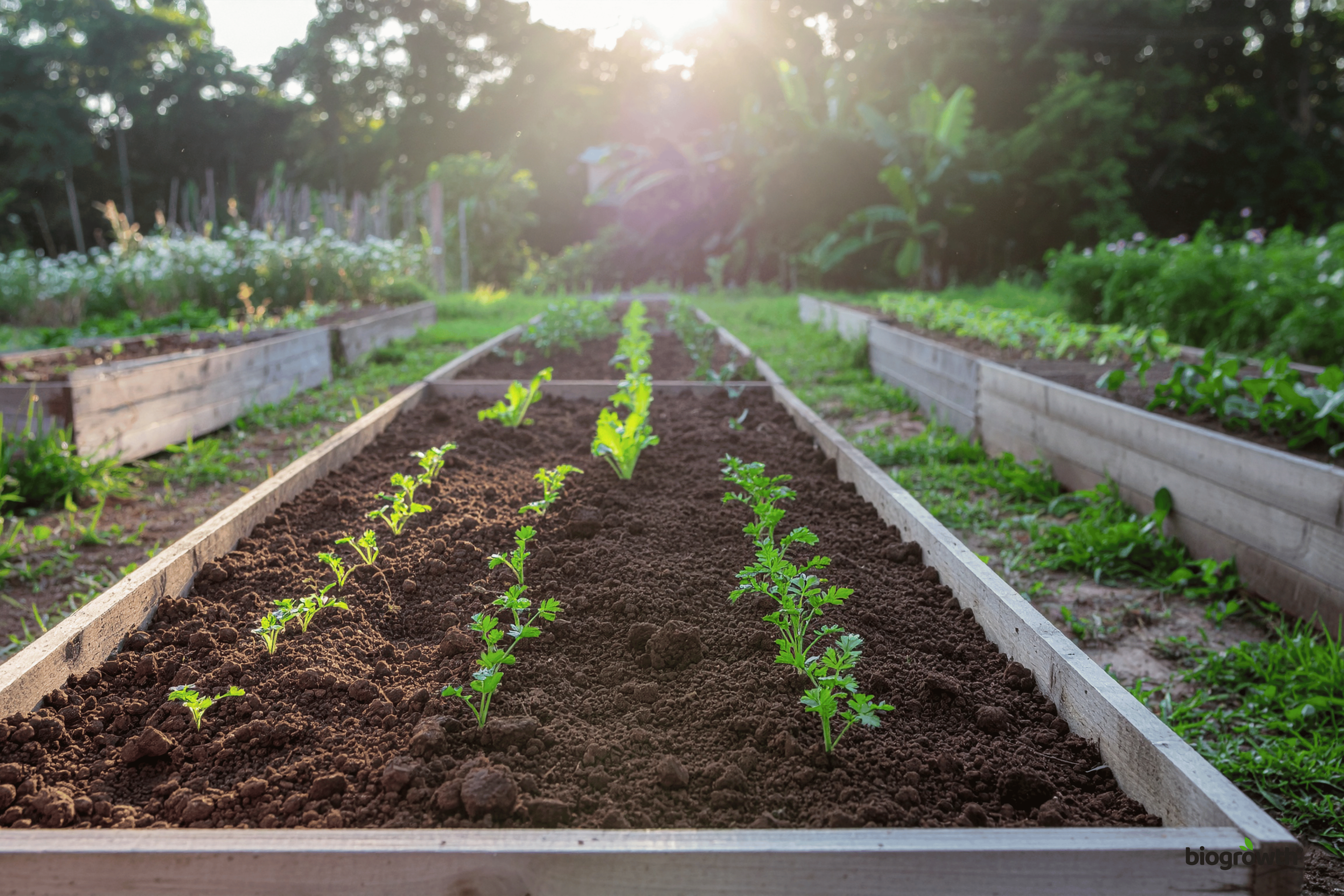
After a few successful growing seasons, you might notice the "magic" of your raised beds starting to fade. Perhaps your tomato yields are dropping, or the soil feels hard, sunken, and lifeless.
The good news? You don’t need to undergo the back-breaking (and expensive) task of replacing all your soil. By following a few simple steps, you can restore fertility, improve structure, and reactivate the microbial life in your garden. Here is how to breathe new life into tired raised beds.
Why Does Raised Bed Soil "Wear Out"?
Over time, several things happen beneath the surface:
- Nutrient Depletion: Heavy feeders like peppers and corn "mine" the soil for minerals.
- Compaction: Gravity and watering cause soil to settle, reducing the oxygen available to roots.
- Organic Matter Loss: As compost breaks down, the soil level physically drops.
- Biological Stagnation: Without new inputs, the beneficial microbes that protect your plants may go dormant.
The Step-by-Step Rejuvenation Process
1. Clear the Canvas
Start by removing old plant debris, spent mulch, and weeds. If your previous crop was healthy, compost the remains. However, if you dealt with blight or powdery mildew, dispose of those plants in the trash to prevent disease spores from overwintering in your bed.
2. Aerate Without Over-Tilling
Use a garden fork to gently lift and loosen the soil. Aim for a depth of 6–8 inches. Avoid aggressive tilling, as this can destroy the delicate fungal networks (mycelium) that help your plants thrive.
3. Replenish Organic Matter
This is the most critical step. Add 2–4 inches of fresh compost, worm castings, or well-rotted manure. This isn't just about food; it’s about improving the "tilth" or texture of your soil so it holds water like a sponge.
4. Supercharge the Biology with Enzymes
Even with fresh compost, old soil often has "locked" nutrients that plants can't reach. Incorporate Enzymplus during this stage. Its enzyme-enhanced formula acts as a biological spark plug, breaking down organic matter and old root systems into usable plant food, effectively "resetting" the soil's fertility.
5. Balance the pH and Structure
If your soil feels too heavy (clay-like) or too loose (sandy), add perlite or coconut coir to adjust drainage. If you aren't sure where your nutrient levels stand, a quick home test kit can tell you if you need to adjust your pH.
6. Add Targeted Amendments
Depending on what you plan to grow next, you may need a specific boost:
- For Leafy Greens: You'll want higher nitrogen.
- For Fruits and Veggies: Use Catalyst. It provides a specialized vitamin boost that is essential for raised bed environments where root space is limited.
7. Protect with Mulch
Once your bed is prepped, top it with 2 inches of straw or shredded leaves. This prevents the sun from "baking" your newly loosened soil and keeps your moisture levels consistent.
8. The Power of "Rest and Rotate"
If possible, let the bed settle for two weeks before planting. To keep the soil healthy long-term, remember to practice crop rotation. Growing different plant families in different spots each year prevents "soil fatigue" and keeps pests from getting too comfortable.
Related Reading: Learn more about maintaining a healthy garden in our latest organic gardening blogs.
Healthy Soil, Happy Harvest
You don’t need to start from scratch every spring. By focusing on biological health and structural aeration, your raised beds can actually become better with age.
Ready to wake up your soil? Visit the Biogrowth Organics Shop to find the organic fertilizers and enzymes your garden has been craving.
Frequently Asked Questions (FAQs)
1. Is it cheaper to rejuvenate old soil or buy new bags?
Rejuvenating is significantly more cost-effective. A high-quality raised bed mix can be expensive, especially when you factor in delivery or multiple bags. By simply adding a few inches of compost and a biological booster like Enzymplus, you save money and preserve the beneficial soil structure that has developed over the previous seasons.
2. How do I know if my soil has Soil Fatigue?
If you notice that your plants are staying small, the leaves are turning yellow despite watering, or the soil has become a hard, water-repellent block, your soil is likely fatigued. This is usually caused by a combination of nutrient depletion and a lack of active microbes.
3. Can I rejuvenate soil if my previous plants were diseased?
If your previous crops had a serious soil-borne illness (like tomato wilt or root rot), you should proceed with caution. Remove as much of the old root systems as possible and consider a "solarization" process (covering the bed with clear plastic in the summer heat). When replanting, use Thrive to help boost the new plants' natural immunity against lingering pathogens.
4. Why is the soil level in my raised bed dropping every year?
This is a natural process called subsidence. Organic matter is constantly being consumed by microbes and converted into energy for your plants. As it breaks down, the physical volume of the soil decreases. Simply top up your beds with a mix of fresh compost and Enzymplus to restore the height and nutrient density.
5. Do I need to "double dig" or turn the soil completely over?
Generally, no. Modern organic gardening focuses on "no-till" or "low-till" methods. Turning the soil over completely can kill beneficial fungal networks. Instead, use a garden fork to gently "crack" and lift the soil, allowing air to enter without flipping the layers upside down.
6. Can I plant immediately after adding amendments?
While you can plant immediately if you use gentle organic products like Catalyst or Vivid, it is often better to wait about 7–10 days. This allows the soil's pH to stabilize and the microbial activity to spike, ensuring your young seedlings aren't overwhelmed by the rapid breakdown of new organic matter.


